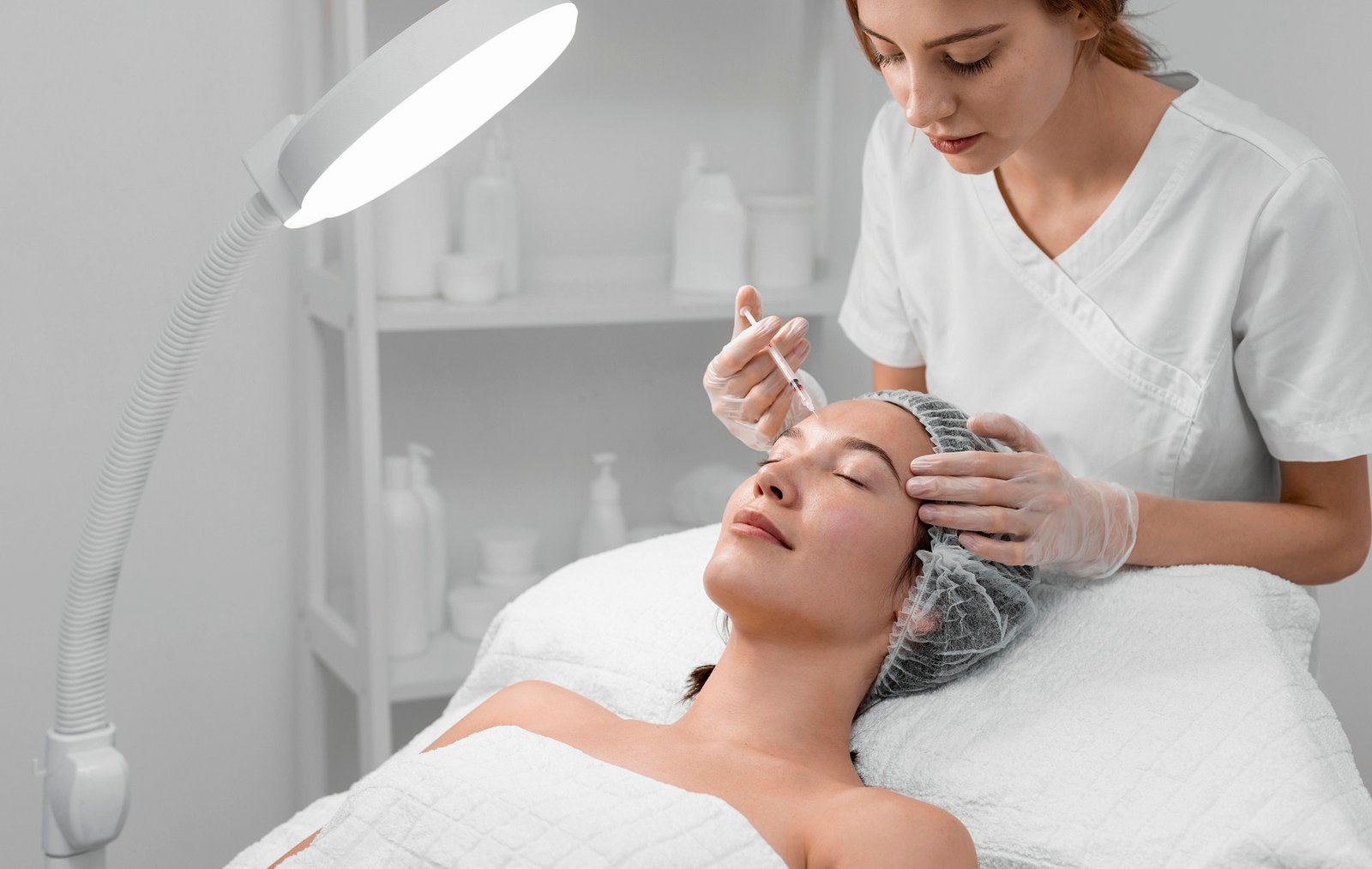
Botox has become a household name over the past few decades, often associated with cosmetic enhancements and wrinkle reduction. Derived from the bacterium Clostridium botulinum, Botox is a neurotoxin that temporarily relaxes muscles, thereby smoothing the appearance of fine lines and wrinkles. While primarily known for its aesthetic applications, Botox also has a variety of medical uses, ranging from treating chronic migraines to alleviating excessive sweating.
Understanding the science behind Botox can demystify its function. When injected, Botox blocks nerve signals in the muscles where it is administered. This blockage prevents the target muscle from contracting, which in turn diminishes wrinkles and fine lines. The effects are temporary, typically lasting between three to six months, which makes it a non-permanent solution for those looking to improve their appearance or treat certain medical conditions.
Common Myths About Botox: Setting the Record Straight
One prevalent myth is that Botox is only for the elderly or those with visible signs of aging. In truth, Botox is used by a diverse age group, including younger individuals seeking preventive treatments. By starting Botox early, you can potentially delay the onset of deeper wrinkles and lines. The idea is not to freeze your face but to maintain a natural, youthful appearance over time.
Another common misconception is that Botox provides instant results. While you may notice some effects within a few days, the full impact typically takes about two weeks to manifest. This gradual onset is due to the time it takes for the neurotoxin to effectively block the nerve signals. Unlike body contouring, which targets the shape and contours of the body, Botox works specifically on facial muscles and requires patience before its full effects become visible. The results are well worth the wait.
Many people also mistakenly believe that Botox is unsafe or toxic. However, Botox has been rigorously tested and approved by health authorities worldwide, including the FDA. When administered by a qualified professional, Botox is both safe and effective. Like any medical treatment, it carries some risk of side effects, but these are typically minor and temporary.
The Truth About Botox Safety and Side Effects
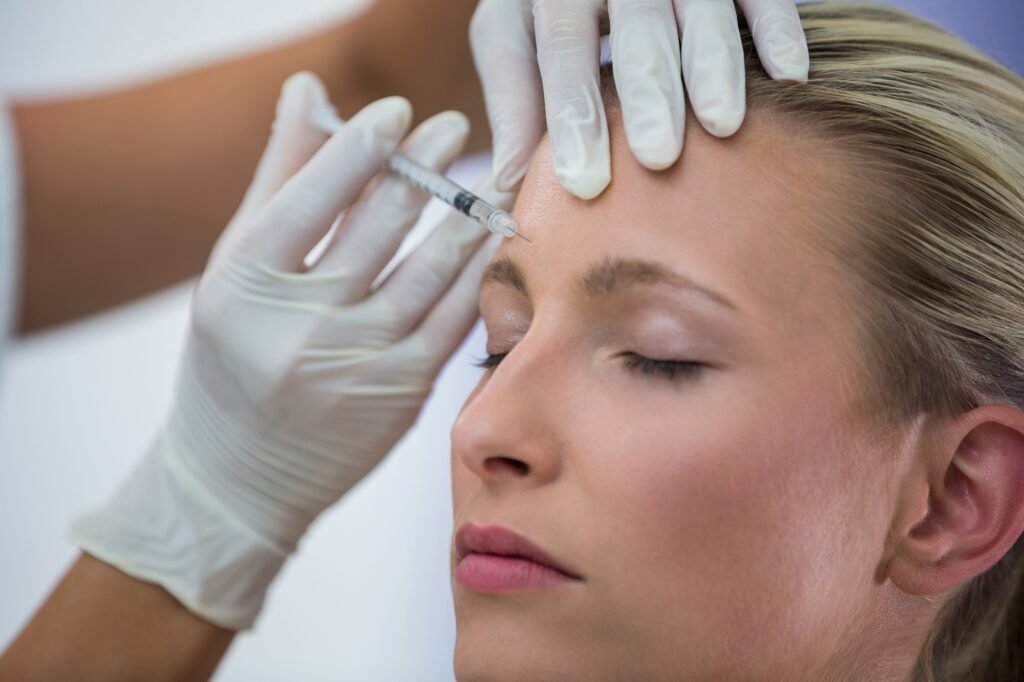
Safety is a primary concern for anyone considering Botox. It’s important to understand that Botox is generally safe when performed by experienced and certified practitioners. These professionals have the expertise to determine the correct dosage and precise injection sites, minimizing potential risks. The same principle applies to procedures such as a thread lift, where the skill and experience of the provider are essential for achieving safe, natural-looking results. Always ensure that your practitioner is licensed and has a strong track record with aesthetic treatments.
In terms of side effects, most are mild and temporary. You might experience slight bruising, swelling, or redness at the injection site, which usually subsides within a few days. Some individuals may experience headaches or flu-like symptoms initially, but these are not common and often resolve quickly. Serious side effects are rare and typically occur due to incorrect administration or allergic reactions.
To further enhance safety, it’s crucial to have a thorough consultation before undergoing treatment. Discuss your medical history, any allergies, or previous reactions to similar treatments with your healthcare provider. This dialogue ensures that you receive the best care tailored to your needs, mitigating potential adverse effects.
Who Can Benefit from Botox Treatments?
Botox is not limited to those seeking cosmetic enhancements; it offers a wide range of benefits for various medical conditions. People suffering from chronic migraines, for instance, can find relief through Botox injections, which help reduce the frequency and severity of headaches. Similarly, individuals with hyperhidrosis, a condition characterized by excessive sweating, can significantly improve their quality of life with Botox treatments.
Cosmetically, Botox is effective for anyone looking to reduce the appearance of dynamic wrinkles—those formed by facial expressions like frowning, squinting, or smiling. Common targets include crow’s feet, forehead lines, and frown lines between the eyebrows. Botox can also provide a subtle lift to areas such as the eyebrows and jawline, enhancing facial symmetry and balance.
Ultimately, Botox is suitable for a broad demographic. Whether you’re in your twenties looking for preventative measures, in your forties aiming to maintain a youthful appearance, or dealing with a medical condition, Botox might be a viable option. Consultation with a qualified practitioner will help determine if Botox aligns with your goals and needs.
Fillers vs. Botox : What’s the Difference?
Botox and dermal fillers are often mentioned in the same breath, but they serve different purposes. Botox works by relaxing muscles to reduce the appearance of lines and wrinkles, primarily caused by facial expressions. Fillers, on the other hand, add volume to the skin and are primarily used to address static wrinkles, which are present even when your face is at rest.
Fillers are typically made from hyaluronic acid, a substance naturally found in the skin. They are used to plump lips, fill in hollow areas under the eyes, enhance cheek volume, and smooth out nasolabial folds. The effects of fillers are immediate and can last from six months to two years, depending on the type of filler used.
Choosing between Botox and fillers depends on your specific concerns. If you’re dealing with fine lines and wrinkles due to muscle activity, Botox is likely the way to go. If volume loss or static wrinkles are your primary concerns, fillers may be more appropriate. Often, a combination of both treatments is used to achieve optimal results, providing a comprehensive approach to facial rejuvenation.
The Longevity of Botox Results: How Long Does It Last?
One of the most common questions about Botox is how long the results last. On average, Botox effects can be seen for three to six months. The duration depends on several factors, including the area treated, your metabolic rate, and how often you use the treated muscles. Frequent, expressive use of facial muscles can lead to a quicker return of lines and wrinkles.
To maintain the desired results, regular treatments are recommended. However, it’s essential to wait for an appropriate interval between sessions to avoid building resistance or experiencing diminishing returns. Most professionals suggest scheduling follow-up appointments every three to four months.
Another factor influencing longevity is the skill of the practitioner. A qualified expert will know the exact amount of Botox to use and the precise locations to inject, ensuring that the results are both effective and natural-looking. This precision can extend the duration of results and provide a more consistent outcome over time.
Botox Treatments: What to Expect During Your Appointment
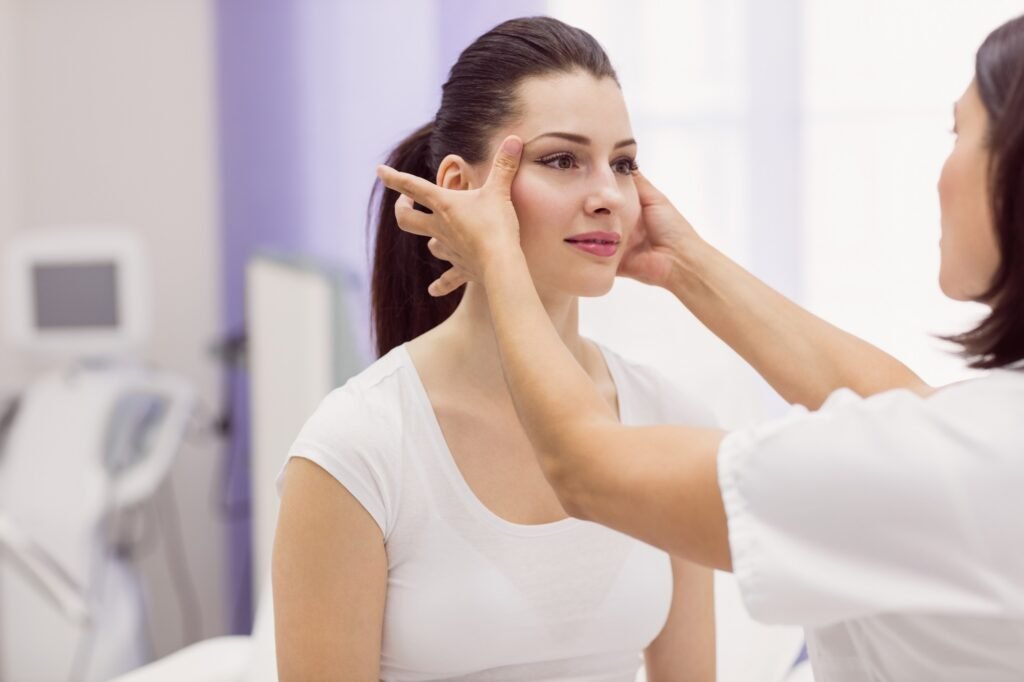
Understanding what happens during a Botox appointment can alleviate concerns and ensure a smooth experience. The process begins with a consultation, where you discuss your goals and medical history with the provider. This discussion helps tailor the treatment to your specific needs and ensures that Botox is a suitable option for you.
The actual injection process is relatively quick, often taking just 10-15 minutes. Your practitioner will use a fine needle to inject small amounts of Botox into the targeted muscles. The procedure is minimally invasive, and most people experience only minor discomfort, akin to a pinprick. Some clinics offer numbing creams or ice packs to further minimize any discomfort during the procedure.
After the injection, you can return to your daily activities almost immediately, as there is no downtime required. However, it’s advised to avoid strenuous exercise, lying down, or massaging the treated area for at least a few hours post-treatment to allow the Botox to settle properly. Following your provider’s aftercare instructions is crucial for achieving the best results.
Cost of Botox: Understanding Pricing and Value
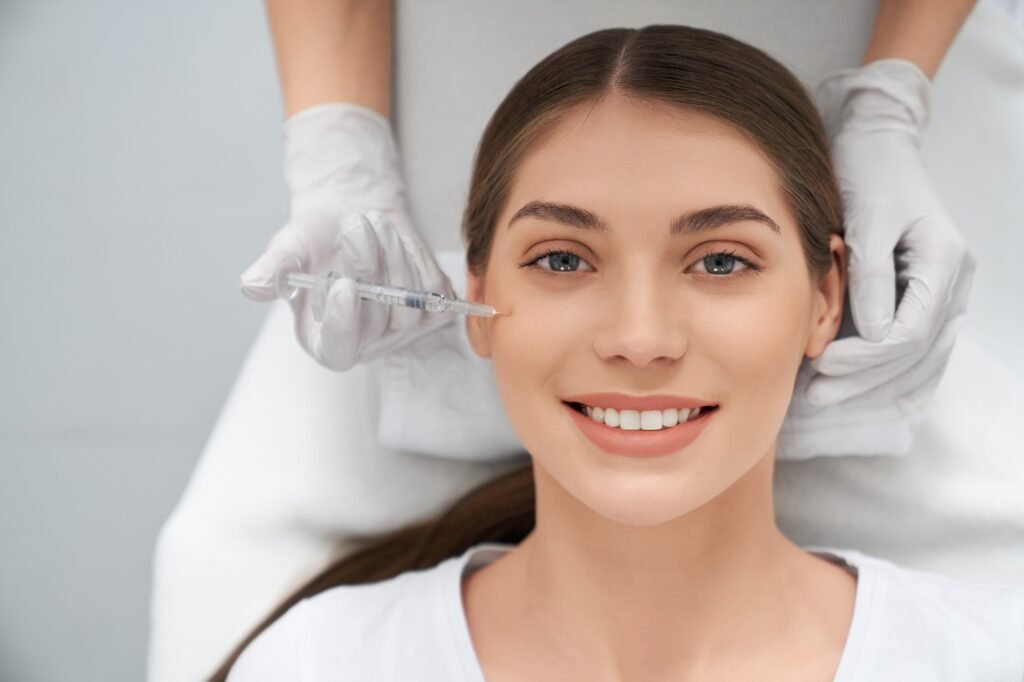
The cost of Botox varies based on several factors, including the geographic location, the provider’s experience, and the number of units required. Botox is typically priced per unit, with the number of units needed varying depending on the area being treated and the desired outcome. On average, prices range from $10 to $20 per unit, with treatments often requiring 20 to 60 units.
While it might be tempting to seek out the lowest prices, it’s critical to prioritize quality and expertise over cost. Opting for a highly qualified practitioner ensures that the treatment is performed safely and effectively, reducing the risk of complications. Investing in a reputable professional not only safeguards your health but also enhances the likelihood of achieving your desired results.
To maximize value, consider discussing package deals or loyalty programs with your provider. Some clinics offer discounts for multiple sessions, which can make regular treatments more affordable. Remember, the goal is to maintain both the quality and consistency of results, ensuring that your investment in Botox is worthwhile.
The Future of Botox: Innovations and Trends
The field of cosmetic and medical treatments is constantly evolving, and Botox is no exception. Researchers and practitioners are continuously exploring new applications and techniques to enhance its effectiveness and safety. One emerging trend is the use of micro-Botox, which involves injecting smaller doses more superficially to achieve a natural, refreshed look without the risk of a “frozen” appearance.
Innovative applications for Botox are also being discovered in the medical realm. For example, ongoing studies are examining its potential benefits for conditions such as depression and certain types of muscle disorders. As research progresses, the scope of Botox’s therapeutic applications is likely to expand, offering relief to even more individuals with various health concerns.
Additionally, advancements in technology are enhancing the precision and customization of Botox treatments. New injection techniques, coupled with digital imaging and mapping tools, allow for more personalized treatment plans that cater to individual facial structures and aesthetics. Staying informed about these innovations can help you make the most of Botox’s evolving potential.
Conclusion: Making Informed Choices About Botox
Deciding to undergo Botox treatments is a personal choice that requires careful consideration and informed decision-making. By debunking common myths, understanding the science behind Botox, and recognizing its potential benefits and limitations, you can approach this choice with confidence and clarity.
Always consult with a qualified and experienced practitioner to discuss your goals and any concerns you may have. With the right information and professional guidance, Botox can be a valuable tool in both aesthetic and medical treatments, offering a safe and effective way to enhance your quality of life.