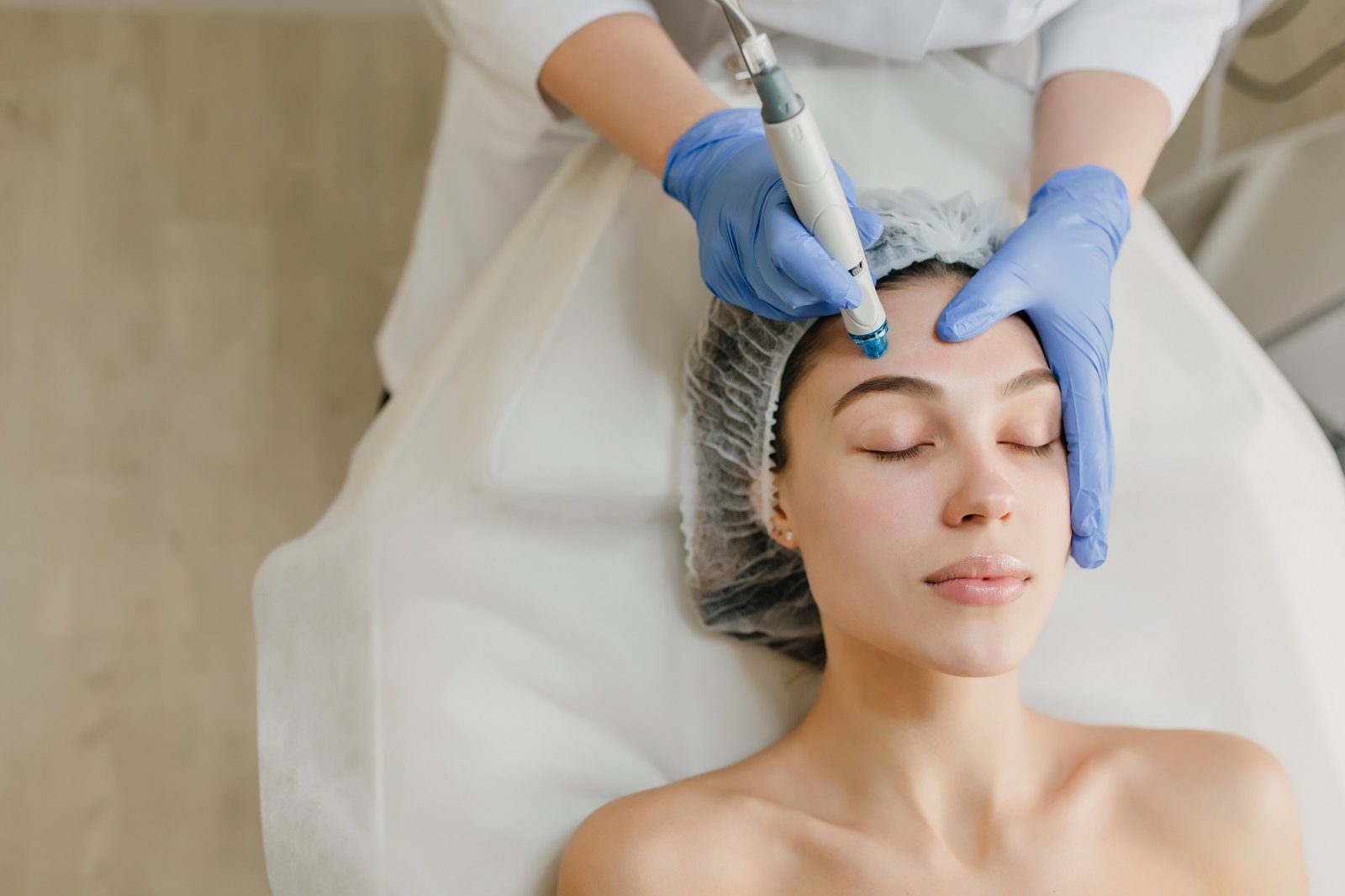
A HydraFacial is a revolutionary skincare treatment designed to enhance skin health through a unique and non-invasive process. At its core, a HydraFacial combines cleansing, exfoliation, extraction, hydration, and antioxidant protection simultaneously, resulting in clearer and more radiant skin without discomfort or downtime. This multi-step procedure is performed using a specialized HydraFacial device, which employs a patented Vortex-Fusion delivery system to cleanse and nourish the skin deeply. The process typically begins with a cleansing and exfoliating step, where the device removes dead skin cells and opens up clogged pores. Following this, a gentle acid peel is applied to loosen dirt and debris from the pores without irritation. Next, the device uses painless suction to extract impurities while simultaneously delivering hydrating serums to the skin. The final step involves infusing the skin with antioxidants and peptides to rejuvenate and protect the skin’s surface. Together, these steps create the signature experience associated with a hydrafacial. HydraFacials are suitable for all skin types, including sensitive skin, due to their customizable nature. The treatment can be tailored with different serums and boosters to address specific skin concerns such as fine lines, wrinkles, elasticity, and firmness. Overall, HydraFacials offer a comprehensive approach to skincare, combining effective techniques with the relaxing experience of a spa treatment. The Importance of Skin Clarity and Hydration Skin clarity and hydration are essential components of a healthy and youthful complexion. Clear skin is typically free from blemishes, acne, and clogged pores, which can lead to a more even skin tone and smoother texture. Achieving and maintaining clarity involves removing impurities, reducing inflammation, and ensuring a balanced oil production, all of which are addressed during a HydraFacial. For those also interested in improving skin firmness, treatments such as hifu skin tightening may complement a broader skincare routine. Hydration, on the other hand, plays a crucial role in maintaining the skin’s elasticity and resilience. Well-hydrated skin appears plumper, more radiant, and less prone to showing signs of aging such as fine lines and wrinkles. Hydration also supports the skin’s barrier function, protecting it from environmental aggressors like pollution and UV radiation. Regular HydraFacials can significantly contribute to both clarity and hydration by continually providing the skin with essential nutrients and moisture. The treatment’s ability to exfoliate and extract impurities ensures that the skin remains clear, while the infusion of hydrating serums helps maintain an optimal moisture balance. This combination results in a complexion that not only looks healthier but also feels more supple and refreshed. For additional skin rejuvenation, some skincare routines may incorporate treatments such as prp treatment alongside regular facial care. Factors Influencing HydraFacial Frequency Determining the frequency of HydraFacial treatments depends on several factors, including your skin type, specific concerns, and lifestyle habits. Each individual’s skin is unique, and therefore, the ideal schedule for HydraFacials can vary widely. Consulting with a skincare professional can help tailor a treatment plan that suits your needs. Ultimately, the goal is to find a balance that maintains your skin’s clarity and hydration without over-treating or under-treating it. Regular consultations with a skincare professional can help adjust your regimen as needed. Recommended HydraFacial Frequency for Different Skin Types The frequency at which you should have HydraFacial treatments largely depends on your skin type and individual skincare goals. Here’s a general guideline to help you determine the best schedule: Remember, these guidelines are flexible, and adjustments may be necessary based on your skin’s unique needs and any changes in your skincare goals or lifestyle. Benefits of Regular HydraFacials for Skin Health Committing to regular HydraFacial treatments offers a multitude of benefits that extend beyond mere aesthetics. It’s an investment in your overall skin health, and the advantages are both immediate and long-lasting. Regular HydraFacials can transform your skincare routine, providing both immediate results and cumulative benefits that enhance your skin’s health and appearance over time. Signs You Need a HydraFacial Sooner While sticking to a regular HydraFacial schedule is important, certain signs may indicate that your skin could benefit from an earlier session. Paying attention to these indicators can help you maintain optimal skin health. Being mindful of these signs ensures that your skin receives the attention it needs when it needs it, keeping it healthy and vibrant. Preparing for Your HydraFacial Treatment Proper preparation for a HydraFacial can enhance the overall experience and maximize the treatment’s benefits. Here are some steps you can take to prepare: Following these steps will help ensure a smooth and successful HydraFacial experience, leaving your skin refreshed and rejuvenated. Aftercare Tips for Maintaining Optimal Results To maintain the benefits of a HydraFacial, proper aftercare is essential. These tips will help you prolong the results and keep your skin looking its best: By following these aftercare tips, you can extend the benefits of your HydraFacial and enjoy a radiant, revitalized complexion for longer. Comparing HydraFacial to Other Facial Treatments HydraFacial stands out among other facial treatments due to its comprehensive approach and immediate results. Here’s a comparison of HydraFacial with some common facial treatments: Each treatment has its benefits, but HydraFacial’s versatility, comfort, and effectiveness make it a popular choice for those seeking a balanced approach to skincare. Conclusion: Achieving Radiant Skin with HydraFacials Achieving and maintaining radiant skin involves a combination of regular skincare practices, lifestyle choices, and professional treatments like HydraFacials. By understanding the unique benefits and customizable nature of HydraFacials, you can tailor a skincare regimen that supports your skin’s health and beauty. Regular HydraFacial treatments can transform your complexion by promoting clarity, hydration, and overall skin health. Whether you’re addressing specific concerns or simply looking to enhance your natural glow, HydraFacials offer a reliable solution with immediate and long-lasting results.
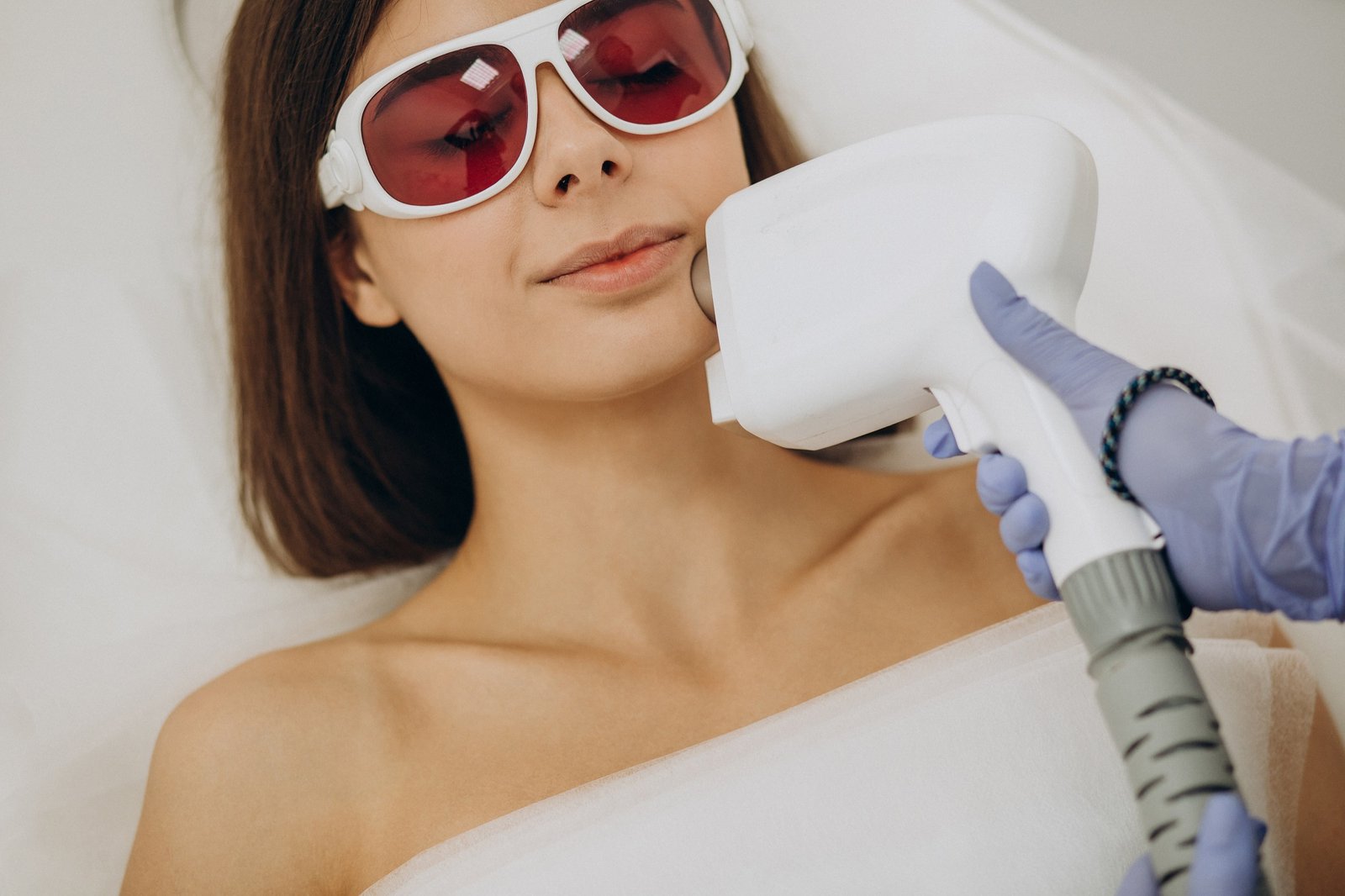
Why Laser Hair Removal Is Less Effective on Blonde, Red & Gray Hair
Laser hair removal has become an increasingly popular method for achieving smooth, hair-free skin. By using concentrated beams of light, this technique targets hair follicles to inhibit future growth. For many, it’s a more permanent solution compared to traditional methods like shaving, waxing, or plucking. However, while laser hair removal is effective for many individuals, not all hair types respond equally well to the treatment. The process is typically praised for its precision and ability to treat large areas quickly. Yet, the effectiveness of laser hair removal largely depends on the contrast between hair and skin color. This means that those with dark hair and light skin often see the best results. But what about those with blonde, red, gray, or white hair? Understanding why these hair colors pose challenges is crucial for setting realistic expectations. How Laser Hair Removal Works Laser hair removal operates on the principle of selective photothermolysis, where specific wavelengths of light are absorbed by the melanin in hair. The laser emits a light that is absorbed by the pigment in the hair, which converts to heat and damages the follicle. This damage inhibits or delays future hair growth, making it an appealing choice for long-term hair reduction. The treatment is most effective during the anagen phase of hair growth, when the hair is actively growing. This phase allows the laser to target the hair and its follicle effectively. Hair grows in different phases, so multiple sessions are needed to treat every hair at its optimal stage. While laser hair removal is a straightforward concept, its application can vary based on individual characteristics. Factors such as skin type, hair color, and even hormonal balance can influence the procedure’s success. Understanding these variables is essential for maximizing results and minimizing potential side effects. The Science Behind Hair Color and Laser Treatment The effectiveness of laser hair removal is fundamentally linked to the amount of melanin present in the hair. Melanin is the pigment that gives hair its color, with darker hair containing more melanin. This abundance of pigment absorbs more laser energy, leading to more effective follicle damage. Consequently, individuals with dark hair and light skin are typically ideal candidates for this procedure. Understanding how different treatments work is important when exploring hair-care options, as approaches such as exosome therapy focus on different aspects of hair and scalp health. Blonde, red, gray, and white hair contain less melanin, making them less receptive to laser treatment. This lack of pigment means that the laser light is not absorbed as effectively, reducing the treatment’s efficacy. Without a sufficient amount of melanin, the laser energy cannot be properly converted to heat to damage the follicle. Understanding the science behind hair color and laser treatment highlights the importance of selecting the right method for hair removal. For those with lighter hair colors, exploring alternative solutions or consulting with specialists can provide a pathway to successful hair management. Depending on individual concerns, other options such as microneedling may also be discussed as part of a broader approach to hair and skin care. Challenges with Blonde Hair in Laser Removal Blonde hair presents unique challenges in laser hair removal due to its lower melanin content. The lack of pigment means that the laser light is not efficiently absorbed, leading to less effective results. People with blonde hair may need extra sessions and still see less satisfying results. Moreover, the varying shades within blonde hair can further complicate treatment. Blonde shades vary in melanin, which affects how well lasers can target and destroy follicles. This variability requires a tailored approach, often involving consultations with experienced professionals who can adjust laser settings accordingly. Despite these challenges, technological advancements have led to the development of lasers specifically designed to target lighter hair colors. These specialized devices can offer improved outcomes for blonde-haired individuals, though they still may not match the effectiveness seen in darker hair types. Difficulties of Treating Red Hair Red hair, like blonde, contains less melanin, but it presents a distinct set of challenges due to its unique pigment composition. The primary pigment in red hair is pheomelanin, which differs from the eumelanin found in black and brown hair. This difference means that conventional lasers, which are designed to target eumelanin, may struggle to effectively treat red hair. The distinct nature of pheomelanin requires advanced laser technology that can specifically address this pigment type. However, even with specialized equipment, red hair can be stubborn, often necessitating more frequent sessions and a more personalized treatment plan. It’s crucial for those with red hair to manage their expectations and consult with laser specialists who have experience working with this hair type. By understanding the inherent challenges and exploring the latest technological options, individuals with red hair can achieve the best possible results. Addressing Gray Hair in Laser Hair Removal Gray hair poses significant challenges for laser hair removal due to its minimal melanin content. As hair grays, it loses its pigment, making it difficult for lasers to target the follicles effectively. Without pigment, the laser’s energy isn’t absorbed, so it can’t generate the heat needed to damage the follicle. For individuals with gray hair seeking laser hair removal, the key is to explore alternative methods or seek out newer laser technologies that may offer some level of efficacy. While traditional lasers may struggle, some innovative systems have shown promise in treating lighter hair colors, albeit with varying degrees of success. Understanding the limitations of laser hair removal for gray hair is essential for developing a realistic hair management strategy. Consulting with experienced practitioners can provide insights into the most effective approaches, ensuring that individuals with gray hair can find a solution that meets their needs. The Unique Issues with White Hair White hair, devoid of melanin, is particularly challenging for laser hair removal. The absence of pigment means that there is virtually no target for the laser energy to absorb, rendering traditional laser treatments ineffective for this hair type. This poses a significant obstacle for
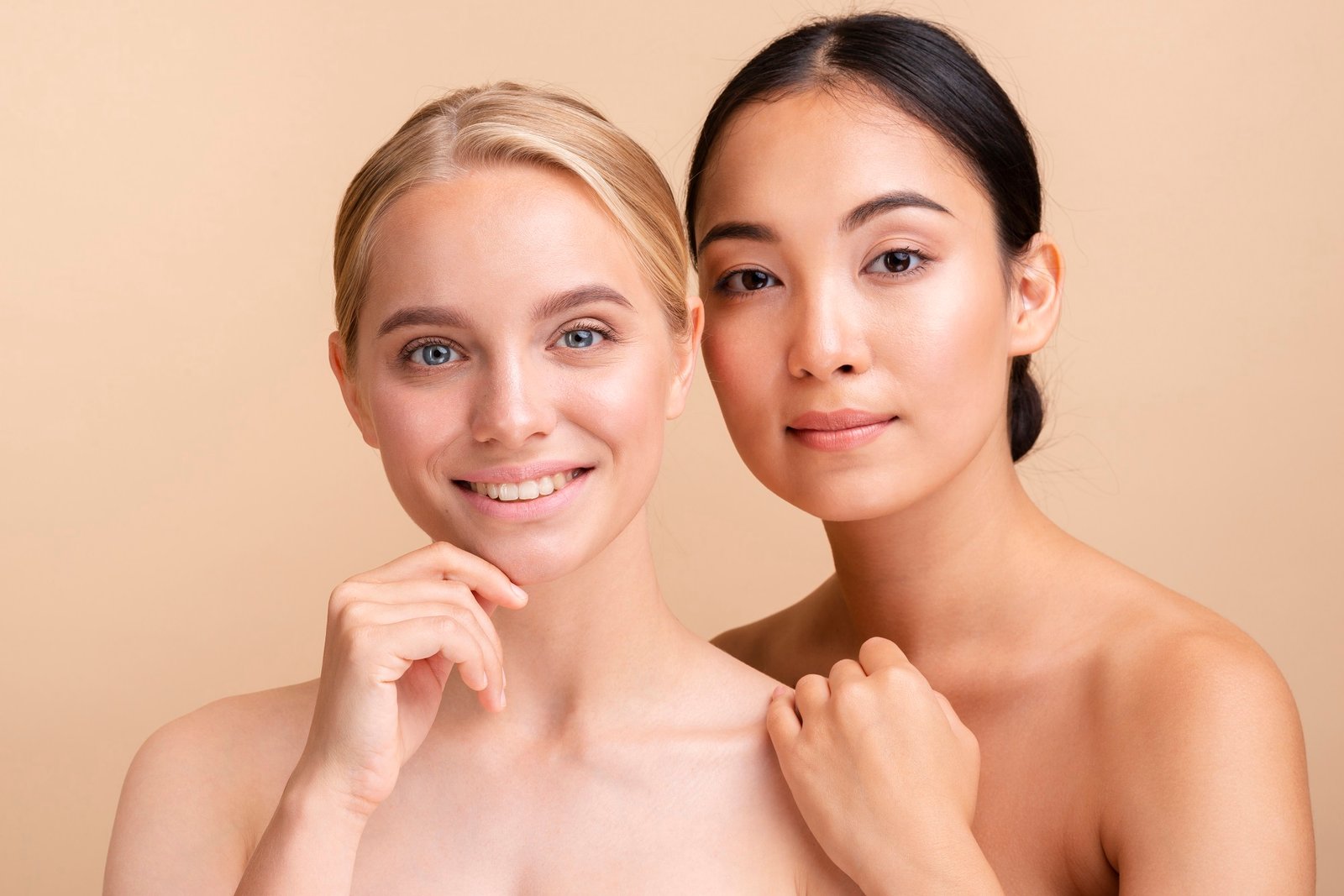
The Difference Between Healthy Aging Skin and Youthful-Looking Skin
Understanding Healthy Aging Skin vs. Youthful-Looking Skin When discussing skin health, it’s crucial to differentiate between healthy aging skin and youthful-looking skin. Healthy aging skin refers to skin that ages naturally and gracefully, maintaining its integrity and resilience over time. This type of skin embraces the aging process, focusing on health rather than aesthetics. On the contrary, youthful-looking skin often emphasizes a younger appearance, prioritizing traits like smoothness and firmness associated with youth. The pursuit of youthful-looking skin may involve cosmetic interventions and skincare products designed to reduce the visible signs of aging, with cosmetic dermatology offering various approaches to support these aesthetic goals. However, it doesn’t always equate to better skin health. The distinction between these two concepts lies in the approach to skincare. While both aim for beautiful skin, healthy aging focuses on long-term skin health, whereas youthful-looking skin often targets short-term aesthetic goals. Understanding this difference will help you choose suitable skincare strategies that align with your personal goals. Key Characteristics of Healthy Aging Skin Healthy aging skin is characterized by its ability to maintain elasticity, hydration, and an overall even skin tone. As you age, your skin naturally becomes thinner and less elastic, but healthy aging skin adapts to these changes without significant signs of damage. This type of skin is resilient and often features a natural glow. For those exploring advanced skincare options, treatments such as exosome therapy may also be considered as part of a broader approach to maintaining healthy-looking skin. One of the hallmarks of healthy aging skin is its moisture retention. As we age, our skin’s ability to hold moisture diminishes, leading to dryness and potential irritation. However, with proper hydration and care, healthy aging skin maintains adequate moisture levels, keeping it supple and reducing the appearance of fine lines. Another characteristic is the skin’s ability to repair itself. Healthy aging skin shows fewer signs of damage from external factors such as UV rays and pollution. This is largely due to a robust skincare routine that includes sun protection, antioxidants, and consistent hydration, which collectively promote the skin’s natural healing process. Traits of Youthful-Looking Skin Youthful-looking skin is often associated with a smooth, firm texture and an even complexion. This type of skin typically exhibits fewer visible pores, minimal wrinkles, and a radiant appearance. Achieving youthful-looking skin often involves targeted skincare products designed to combat signs of aging, with options such as botox sometimes considered as part of an overall approach to maintaining a youthful appearance. A key trait of youthful-looking skin is its plumpness. This is largely due to high levels of collagen and elastin, which provide structure and elasticity. As you age, these components decrease, leading to sagging skin and wrinkles. Many skincare products aim to boost collagen production to maintain a youthful appearance. Additionally, youthful-looking skin often has a vibrant and even tone, free of age spots or discoloration. Skincare routines for youthful skin often incorporate exfoliants and brightening agents to enhance skin tone and texture. While these methods can improve appearance, they might not contribute to the skin’s overall health in the long run. Common Skin Concerns as Skin Ages As skin ages, several common concerns tend to arise, each requiring targeted care. Among these are wrinkles, fine lines, and a loss of elasticity. These are natural results of the skin’s declining ability to produce collagen and elastin, leading to a less firm appearance. Age spots and hyperpigmentation are other prevalent concerns. These occur due to prolonged sun exposure and the skin’s decreased ability to repair itself over time. While sunscreen is an essential preventive measure, treatments like vitamin C serums can help address existing pigmentation issues. Dryness and thinning of the skin are additional challenges. Aging skin produces less oil, resulting in dryness and a more fragile texture. To combat this, it’s important to incorporate rich moisturizers and hydrating serums into your skincare routine, ensuring that your skin remains nourished and resilient. The Role of Skincare in Maintaining Healthy Aging Skin Skincare plays a pivotal role in maintaining healthy aging skin, focusing on both prevention and treatment. A comprehensive skincare routine can help mitigate the effects of aging and enhance skin health. Key components of such a routine include cleansing, exfoliating, moisturizing, and sun protection. Cleansing is essential for removing impurities and maintaining the skin’s natural barrier. Opt for gentle cleansers that preserve the skin’s moisture without stripping it of essential oils. Exfoliating helps remove dead skin cells, promoting cell turnover and revealing fresher skin underneath. Moisturizing is crucial to combat the dryness associated with aging. Use products containing hyaluronic acid or glycerin, which attract moisture to the skin. Additionally, sun protection is vital; applying a broad-spectrum sunscreen daily prevents UV damage, reducing the risk of premature aging and skin cancer. Lifestyle Factors that Impact Skin Health Several lifestyle factors significantly impact skin health. Sleep is a vital component, as it allows the body to repair and regenerate skin cells. Aim for 7-9 hours of quality sleep each night to support healthy skin. Stress management is another crucial factor. Chronic stress can lead to inflammation and exacerbate skin conditions like acne and eczema. Incorporating relaxation techniques such as meditation, yoga, or deep breathing exercises can help maintain a balanced mind and body, promoting skin health. Regular physical activity also contributes to healthy skin. Exercise increases blood circulation, delivering oxygen and nutrients to the skin, and helps flush out toxins. Aim for at least 150 minutes of moderate aerobic activity each week for optimal skin and overall health. Nutritional Considerations for Healthy Skin Nutrition plays an integral role in maintaining healthy skin. A balanced diet rich in antioxidants, vitamins, and healthy fats can significantly improve skin health. Key nutrients include vitamin C, vitamin E, omega-3 fatty acids, and zinc. Hydration is equally important. Drinking adequate water helps maintain skin moisture levels, supporting its structural integrity. Aim for at least 8 glasses of water a day and include water-rich foods like cucumbers and melons in your diet. Effective
Why Your Skin May Need Less Product After a Hydrafacial
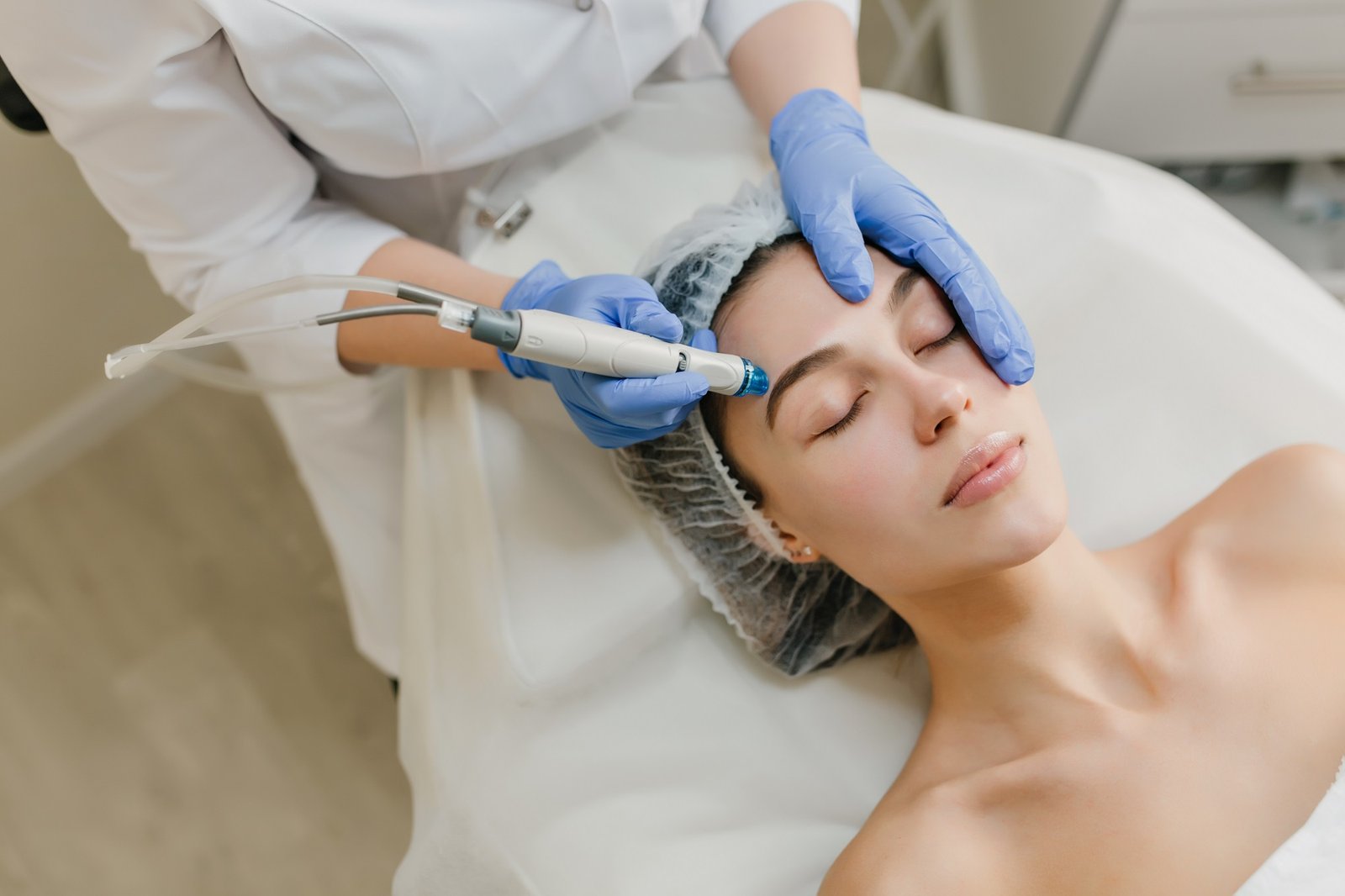
If you’ve been exploring the world of skincare, you’ve likely encountered the term “Hydrafacial.” This innovative facial treatment has garnered considerable attention for its ability to rejuvenate and refresh the skin. But what exactly is a Hydrafacial, and why has it become a go-to choice for many seeking a radiant complexion? A Hydrafacial is a non-invasive skincare treatment that combines cleansing, exfoliation, extraction, hydration, and antioxidant protection simultaneously. This multi-step process is designed to improve skin health, reduce fine lines and wrinkles, and enhance firmness and texture. The treatment is suitable for all skin types, making it a versatile option for anyone looking to improve their skin’s appearance. How Hydrafacials Work Understanding how Hydrafacials work is key to appreciating their benefits. The procedure involves a patented technology that delivers a series of steps to cleanse and nourish your skin effectively. Let’s break down the process: By addressing multiple skin concerns in one session, Hydrafacials offer a comprehensive solution to many skincare woes. The result is a smoother, clearer, and more youthful-looking complexion, often eliminating the need for numerous other skincare products. For those seeking additional options for improving skin firmness, treatments such as hifu skin tightening may also complement a broader skincare routine. The Benefits of Hydrafacials for Your Skin Hydrafacials offer a plethora of benefits that make them an attractive option for anyone looking to enhance their skincare routine. One of the primary advantages is the treatment’s ability to deeply cleanse and hydrate the skin, which is essential for maintaining a healthy complexion. Another significant benefit is the reduction of fine lines and wrinkles. The infusion of antioxidants and peptides helps to plump up the skin, minimizing the appearance of aging signs. Additionally, the treatment can improve skin tone and texture, leaving your face looking more even and radiant. For those considering additional ways to address visible signs of aging, a thread lift may be another option to explore. Furthermore, Hydrafacials are known for their ability to address specific skin concerns such as acne, hyperpigmentation, and enlarged pores. The customizable nature of the treatment allows it to be tailored to your unique skin needs, ensuring optimal results. With all these benefits, it’s clear why Hydrafacials have become a staple in many people’s skincare regimens. Common Skincare Products and Their Role In the quest for flawless skin, many individuals turn to a variety of skincare products. From cleansers and toners to serums and moisturizers, these products play a vital role in maintaining skin health. However, it’s important to understand their functions and how they interact with treatments like Hydrafacials. Understanding the role of each product can help you make informed decisions about your skincare routine, especially after undergoing a Hydrafacial. This knowledge is crucial when considering the potential for reducing the number of products you use. Why Fewer Products May Be Beneficial Post-Hydrafacial After experiencing the rejuvenating effects of a Hydrafacial, you might find that your skin requires fewer additional products. This reduction in product usage can be attributed to several factors that contribute to a more streamlined skincare routine. Firstly, Hydrafacials deliver deep cleansing and hydration, which can significantly improve your skin’s texture and appearance. This means you may no longer need multiple exfoliants, serums, and masks to achieve the same results that a Hydrafacial provides in one session. Secondly, using fewer products can minimize the risk of overloading your skin with unnecessary ingredients that might cause irritation or breakouts. A simplified routine allows your skin to breathe and function naturally, promoting a healthier complexion. Lastly, reducing the number of products in your routine can save both time and money. Investing in regular Hydrafacial treatments might eliminate the need for an extensive array of skincare products, helping you focus on quality over quantity. Embracing a minimalist approach to skincare can lead to long-term benefits for both your skin and wallet. Understanding Skin Types and Needs Every individual has unique skin characteristics that influence how they respond to skincare treatments. Understanding your skin type is crucial for determining the appropriate products and treatments, including how often you might benefit from a Hydrafacial. Understanding your skin type allows you to tailor your skincare routine and maximize the benefits of treatments like Hydrafacials. This knowledge empowers you to choose the right products that complement the effects of the treatment. Expert Recommendations for Skincare Routines After a Hydrafacial After enjoying the benefits of a Hydrafacial, experts recommend adopting a skincare routine that maintains and enhances your results. Here are some professional tips to consider: By following these expert recommendations, you can extend the benefits of your Hydrafacial and maintain a healthy, radiant complexion. Remember, consistency is key in any skincare routine. Choosing the Right Products for Your Skin After a Hydrafacial Selecting the appropriate products to complement your Hydrafacial results is essential for achieving long-lasting skin health. Here are some guidelines to help you make informed choices: By carefully selecting products that enhance the effects of your Hydrafacial, you can maintain a vibrant and healthy complexion. Always keep in mind that less can sometimes be more when it comes to skincare. Conclusion: Embracing Simplicity in Skincare In the world of skincare, simplicity can often lead to the most effective results. Hydrafacials offer a comprehensive treatment that addresses multiple skin concerns, potentially reducing the need for an extensive array of products. By understanding your skin’s unique needs and following expert recommendations, you can maintain a streamlined routine that promotes long-term skin health. As you embrace simplicity in your skincare journey, consider incorporating regular Hydrafacial treatments to keep your skin looking its best. With fewer products and a focus on quality, you can achieve a radiant complexion that reflects your commitment to self-care.
Choosing the Right Facial for Your Skin Concerns
Facial treatments are an integral part of skincare, offering an array of benefits from deep cleansing to targeted treatments for specific skin issues. Understanding the different types of facials available can help you make informed decisions about what suits your needs best. These treatments can vary from simple cleansing facials to more advanced procedures like microdermabrasion and chemical peels. Each type of facial targets specific concerns and uses unique techniques and products. For instance, hydrating facials are designed to nourish dehydrated skin, while anti-aging facials focus on reducing fine lines and boosting collagen production. Popular treatments such as hydrafacial are also widely chosen for their ability to deeply cleanse, exfoliate, and hydrate the skin. Additionally, there are specialized treatments such as acne facials that aim to clear out clogged pores and reduce inflammation. It’s important to note that not all facials are created equal. The effectiveness of a facial depends on factors such as the expertise of the esthetician, the quality of products used, and the specific needs of your skin. Taking the time to research and understand these elements will enable you to choose the perfect facial that caters to your unique skin concerns. Identifying Your Skin Type and Concerns Before selecting a facial treatment, identifying your skin type is crucial. The primary skin types include normal, oily, dry, combination, and sensitive. Each skin type has distinct characteristics and requires different care routines. Understanding your skin type allows you to tailor your skincare regimen, including facial treatments, effectively. Skin concerns can vary widely, ranging from acne and hyperpigmentation to signs of aging and sensitivity. Identifying your specific issues is the first step in choosing a facial that targets your unique needs. Consulting with a skincare professional can help you assess your skin type and concerns accurately, ensuring you receive the most effective treatment. In some cases, they may also recommend advanced options such as exosome therapy to support skin rejuvenation and repair, depending on your individual needs. Once you have a clear understanding of your skin type and concerns, you can better select facial treatments that address these issues. For instance, if you have oily skin prone to breakouts, opting for a facial that focuses on deep cleansing and exfoliation can be beneficial. Conversely, if your primary concern is fine lines and wrinkles, an anti-aging facial that boosts collagen production would be more appropriate. The Importance of Tailoring Treatments Tailoring facial treatments to your skin type and concerns is essential for achieving optimal results. Customized facials address your specific needs, ensuring that you receive the maximum benefit from the treatment. Personalized treatments can help improve skin texture, tone, and overall appearance more effectively than generic facials. A one-size-fits-all approach often falls short, as every individual’s skin is unique. By customizing treatments, estheticians can select products and techniques that are best suited to your skin’s requirements. This personalized approach not only enhances the effectiveness of the facial but also helps determine whether complementary treatments, such as face fillers, may be appropriate for achieving your desired results while minimizing the risk of adverse reactions. Moreover, tailored facials can adapt to changes in your skin over time. As your skin evolves due to factors such as age, climate, or lifestyle changes, so too should your skincare regimen. Regularly updating and customizing your facial treatments can help maintain healthy, radiant skin throughout the years. Popular Facial Treatments Explained With numerous facial treatments available, it can be challenging to decide which one is right for you. Here are some popular options: Understanding these popular facial treatments can help you determine which might be most beneficial for your skin type and concerns. Consulting with a professional can provide additional guidance tailored to your specific needs. How to Choose the Right Facial for Your Skin Selecting the perfect facial requires a combination of understanding your skin type, identifying your concerns, and researching available treatments. Begin by evaluating your skin’s current state and any specific issues you wish to address. This self-assessment will serve as a foundation for choosing the appropriate facial. Next, research the various facial treatments available, paying close attention to those that target your specific concerns. Consider factors such as treatment duration, cost, and potential downtime when making your decision. It’s also beneficial to read reviews and seek recommendations from trusted sources or professionals. Finally, consult with a licensed esthetician or dermatologist who can provide expert advice based on your individual needs. They can recommend suitable treatments and help customize a facial plan that aligns with your skincare goals. By taking these steps, you can confidently choose a facial that enhances your skin’s health and appearance. Benefits of Customized Facial Treatments Customized facial treatments offer numerous advantages over standard facials, primarily due to their personalized nature. By focusing on your specific skin type and concerns, these treatments provide targeted results that address your unique needs effectively. One of the key benefits of customized facials is their ability to enhance overall skin health. By using tailored products and techniques, these treatments can improve skin texture, tone, and elasticity, resulting in a more youthful and radiant complexion. Additionally, personalized facials can help prevent future skin issues by addressing underlying concerns. Another advantage is the reduced risk of adverse reactions. Since customized facials are designed with your skin’s specific requirements in mind, they are less likely to cause irritation or other negative side effects. This makes them particularly suitable for individuals with sensitive skin or those prone to allergies. Common Ingredients in Facial Treatments Understanding the ingredients used in facial treatments can help you make informed decisions about what is best for your skin. Here are some common ingredients found in facials and their benefits: When selecting a facial, consider the active ingredients and how they align with your skincare goals. Understanding these components can help you choose treatments that effectively address your concerns. What to Expect During and After a Facial Knowing what to expect during and after a facial can help you feel more
How to Support Healthy Skin After Acne
Acne is more than just a skin condition. It can leave both physical and emotional scars long after the pimples have cleared. Understanding acne involves recognizing the role of excess oil production, clogged pores, bacteria, and inflammation. These elements contribute to the development of acne, which can affect individuals of all ages, not just teenagers. The aftermath of acne can present a new set of challenges, as it often leaves the skin looking uneven, with lingering redness or dark spots. Acne’s impact on skin health is significant. The skin’s barrier can be weakened, making it more susceptible to environmental stressors like pollution and UV rays. This can lead to further irritation and delay the healing process. Additionally, acne can result in post-inflammatory hyperpigmentation (PIH), where dark spots remain long after the acne has resolved. In more severe cases, lingering acne scars may prompt individuals to consider scar revision procedures alongside treatments for discoloration to achieve a more even complexion. Achieving healthy skin after acne requires understanding these impacts and addressing them effectively. By adopting a comprehensive approach that includes proper skincare, nutrition, and possibly professional treatments, you can support your skin’s recovery and restore its health and vitality. The Importance of Post-Acne Skin Care Post-acne skincare is crucial in maintaining and improving your skin’s health. Once acne clears, the skin needs to recover from the trauma of breakouts and inflammation. Effective post-acne care helps to repair the skin barrier, reduce redness and pigmentation, and prevent future breakouts. This involves using products specifically designed to soothe and heal post-acne skin. Implementing a consistent skincare routine can significantly improve your skin’s texture and tone. This routine should include products containing ingredients known to calm inflammation and promote healing. For example, niacinamide is a powerhouse ingredient that reduces redness and strengthens the skin barrier, while hyaluronic acid helps to hydrate and plump the skin. Whether you’re following a home regimen or seeking advice in cosmetic dermatology, the combination of these ingredients can help restore your skin’s natural balance and resilience. Furthermore, post-acne care is not only about topical treatments. It is about creating a holistic approach that includes lifestyle changes such as stress management and adequate sleep. These factors can influence your skin’s ability to heal and regenerate. By understanding the importance of post-acne skincare, you can take proactive steps to support your skin’s recovery journey. Essential Ingredients for Healthy Skin After Acne Choosing the right ingredients for your skincare products is essential to achieving healthy skin after acne. For individuals looking to address lingering acne marks or improve skin texture, treatments such as microneedling can also complement a well-formulated skincare routine. Here are some key ingredients you should consider incorporating into your routine: Incorporating these ingredients into your daily skincare routine can help address the specific needs of post-acne skin. However, it’s important to introduce new products gradually and monitor your skin’s response to avoid irritation. Your approach should be gentle yet effective, focusing on healing and protecting your skin. Daily Skin Care Routine for Post-Acne Care A consistent daily skincare routine is vital for maintaining healthy skin after acne. Here is a suggested routine to follow: Morning Routine: Evening Routine: Consistency is key when it comes to skincare. By following this routine diligently, you can help your skin recover from acne while preventing future breakouts. Nutritional Support for Skin Healing Diet plays a crucial role in skin health, especially when recovering from acne. Consuming a balanced diet rich in essential nutrients can support your skin’s healing process. Here are some dietary considerations to keep in mind: By focusing on a nutrient-rich diet, you can enhance your skin’s natural ability to heal and regenerate, complementing the efforts of your skincare routine. The Role of Hydration in Skin Recovery Hydration is a cornerstone of healthy skin recovery after acne. Proper hydration helps to maintain the skin’s elasticity, promotes healing, and ensures that your skin barrier functions optimally. Water is crucial for transporting nutrients to skin cells and removing toxins, both of which are vital for skin recovery. Internally, drinking sufficient water helps to keep your skin hydrated from within. Aim for at least 8 glasses of water a day, and consider incorporating hydrating foods like cucumbers and watermelon into your diet. These not only provide water but also supply essential vitamins and antioxidants. Topical hydration is equally important. Incorporate products with hydrating ingredients like hyaluronic acid, glycerin, and aloe vera into your skincare routine. These ingredients attract moisture to the skin and help to maintain a healthy moisture balance. By ensuring your skin is well-hydrated, you can support its ability to repair itself and remain resilient against future acne outbreaks. Professional Treatments for Post-Acne Skin Professional treatments can offer significant benefits for post-acne skin, especially if you’re dealing with scarring or stubborn hyperpigmentation. Here are some options to consider: Consult with a dermatologist to determine which treatment is best suited for your skin type and concerns. These treatments can complement your at-home skincare routine, providing more targeted results for post-acne recovery. Tips for Preventing Acne Scarring Preventing acne scarring is an important aspect of post-acne care. Here are some tips to minimize the risk of scarring: By following these tips, you can reduce the likelihood of scarring and maintain your skin’s health and appearance. The Psychological Impact of Acne and Skin Healing The psychological impact of acne can be profound, affecting your self-esteem and confidence. It’s important to address not just the physical aspects of acne but also the emotional toll it can take. Living with acne can lead to feelings of embarrassment, anxiety, and even depression. Recognizing these feelings is the first step toward healing. Support systems, whether through friends, family, or professional counseling, can be invaluable in managing the emotional impact of acne. Sharing your experiences and challenges with others who understand can provide comfort and encouragement. Additionally, practicing self-care and mindfulness can help you cope with stress and build a positive self-image. Remember that healing is a journey, both
Common Myths About Botox That Still Exist Today
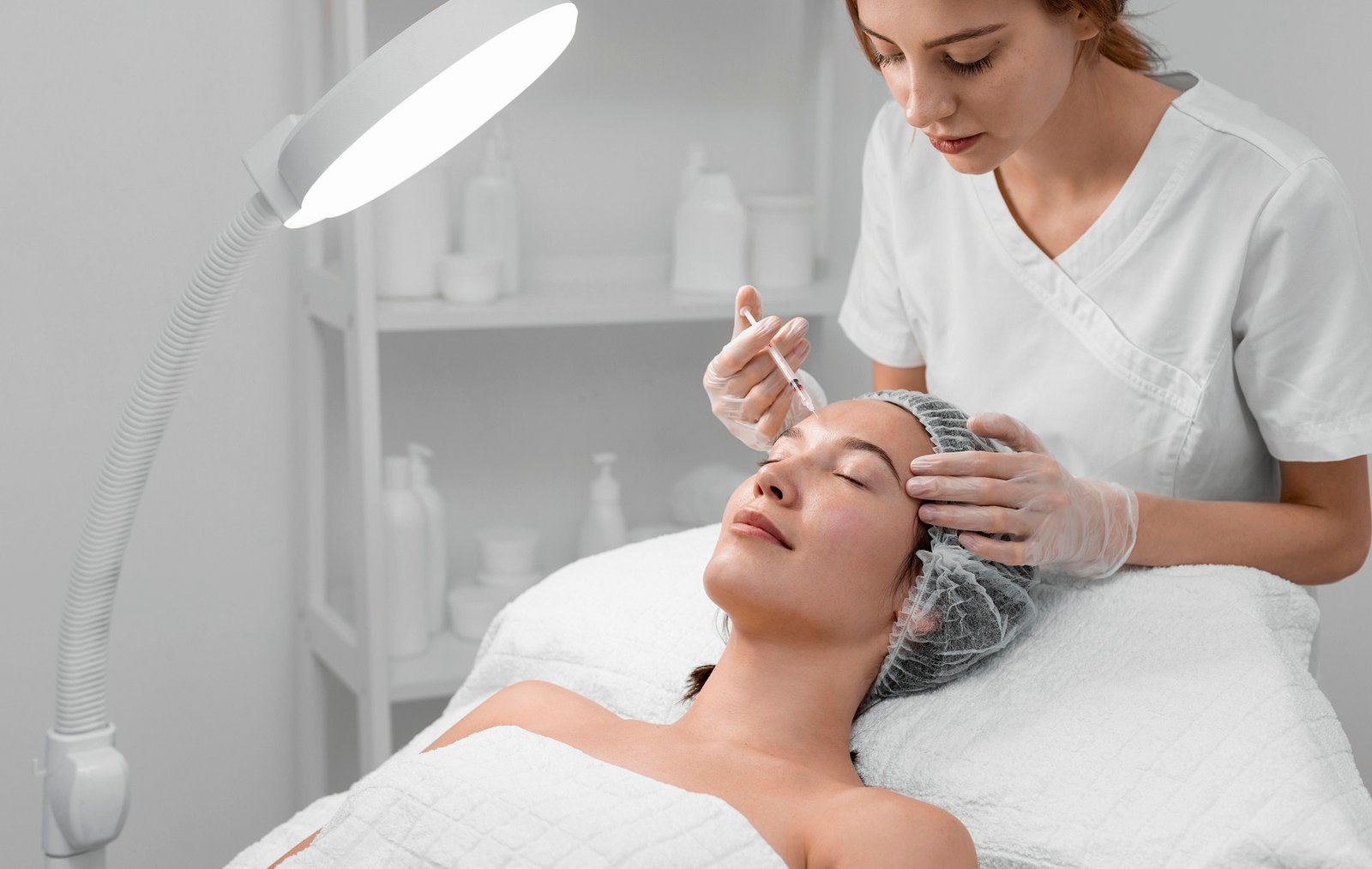
Botox has become a household name over the past few decades, often associated with cosmetic enhancements and wrinkle reduction. Derived from the bacterium Clostridium botulinum, Botox is a neurotoxin that temporarily relaxes muscles, thereby smoothing the appearance of fine lines and wrinkles. While primarily known for its aesthetic applications, Botox also has a variety of medical uses, ranging from treating chronic migraines to alleviating excessive sweating. Understanding the science behind Botox can demystify its function. When injected, Botox blocks nerve signals in the muscles where it is administered. This blockage prevents the target muscle from contracting, which in turn diminishes wrinkles and fine lines. The effects are temporary, typically lasting between three to six months, which makes it a non-permanent solution for those looking to improve their appearance or treat certain medical conditions. Common Myths About Botox: Setting the Record Straight One prevalent myth is that Botox is only for the elderly or those with visible signs of aging. In truth, Botox is used by a diverse age group, including younger individuals seeking preventive treatments. By starting Botox early, you can potentially delay the onset of deeper wrinkles and lines. The idea is not to freeze your face but to maintain a natural, youthful appearance over time. Another common misconception is that Botox provides instant results. While you may notice some effects within a few days, the full impact typically takes about two weeks to manifest. This gradual onset is due to the time it takes for the neurotoxin to effectively block the nerve signals. Unlike body contouring, which targets the shape and contours of the body, Botox works specifically on facial muscles and requires patience before its full effects become visible. The results are well worth the wait. Many people also mistakenly believe that Botox is unsafe or toxic. However, Botox has been rigorously tested and approved by health authorities worldwide, including the FDA. When administered by a qualified professional, Botox is both safe and effective. Like any medical treatment, it carries some risk of side effects, but these are typically minor and temporary. The Truth About Botox Safety and Side Effects Safety is a primary concern for anyone considering Botox. It’s important to understand that Botox is generally safe when performed by experienced and certified practitioners. These professionals have the expertise to determine the correct dosage and precise injection sites, minimizing potential risks. The same principle applies to procedures such as a thread lift, where the skill and experience of the provider are essential for achieving safe, natural-looking results. Always ensure that your practitioner is licensed and has a strong track record with aesthetic treatments. In terms of side effects, most are mild and temporary. You might experience slight bruising, swelling, or redness at the injection site, which usually subsides within a few days. Some individuals may experience headaches or flu-like symptoms initially, but these are not common and often resolve quickly. Serious side effects are rare and typically occur due to incorrect administration or allergic reactions. To further enhance safety, it’s crucial to have a thorough consultation before undergoing treatment. Discuss your medical history, any allergies, or previous reactions to similar treatments with your healthcare provider. This dialogue ensures that you receive the best care tailored to your needs, mitigating potential adverse effects. Who Can Benefit from Botox Treatments? Botox is not limited to those seeking cosmetic enhancements; it offers a wide range of benefits for various medical conditions. People suffering from chronic migraines, for instance, can find relief through Botox injections, which help reduce the frequency and severity of headaches. Similarly, individuals with hyperhidrosis, a condition characterized by excessive sweating, can significantly improve their quality of life with Botox treatments. Cosmetically, Botox is effective for anyone looking to reduce the appearance of dynamic wrinkles—those formed by facial expressions like frowning, squinting, or smiling. Common targets include crow’s feet, forehead lines, and frown lines between the eyebrows. Botox can also provide a subtle lift to areas such as the eyebrows and jawline, enhancing facial symmetry and balance. Ultimately, Botox is suitable for a broad demographic. Whether you’re in your twenties looking for preventative measures, in your forties aiming to maintain a youthful appearance, or dealing with a medical condition, Botox might be a viable option. Consultation with a qualified practitioner will help determine if Botox aligns with your goals and needs. Fillers vs. Botox : What’s the Difference? Botox and dermal fillers are often mentioned in the same breath, but they serve different purposes. Botox works by relaxing muscles to reduce the appearance of lines and wrinkles, primarily caused by facial expressions. Fillers, on the other hand, add volume to the skin and are primarily used to address static wrinkles, which are present even when your face is at rest. Fillers are typically made from hyaluronic acid, a substance naturally found in the skin. They are used to plump lips, fill in hollow areas under the eyes, enhance cheek volume, and smooth out nasolabial folds. The effects of fillers are immediate and can last from six months to two years, depending on the type of filler used. Choosing between Botox and fillers depends on your specific concerns. If you’re dealing with fine lines and wrinkles due to muscle activity, Botox is likely the way to go. If volume loss or static wrinkles are your primary concerns, fillers may be more appropriate. Often, a combination of both treatments is used to achieve optimal results, providing a comprehensive approach to facial rejuvenation. The Longevity of Botox Results: How Long Does It Last? One of the most common questions about Botox is how long the results last. On average, Botox effects can be seen for three to six months. The duration depends on several factors, including the area treated, your metabolic rate, and how often you use the treated muscles. Frequent, expressive use of facial muscles can lead to a quicker return of lines and wrinkles. To maintain the desired results, regular treatments are recommended. However, it’s essential to

How Facial Anatomy Influences Injectable Results
Understanding facial anatomy is crucial when considering injectable treatments. Your face is a complex structure composed of numerous muscles, nerves, and tissues, all working together to create expressions and define your appearance. Knowing the intricate details of facial anatomy helps in predicting how injectable treatments will alter these characteristics, ensuring you achieve the desired results. Facial anatomy isn’t just about aesthetics; it’s also about function. The muscles and tissues in your face work in harmony to allow you to express emotions, eat, and communicate. This is why cosmetic dermatology emphasizes a thorough understanding of facial anatomy before performing injectable treatments. When these elements are altered with injectables, it’s essential that they continue to function correctly. Thus, a comprehensive understanding of facial anatomy is vital for maintaining both the beauty and the functionality of your face. Injectable treatments are becoming increasingly popular for their ability to enhance facial features and reduce signs of aging. However, without a clear understanding of the underlying facial structures, these treatments can lead to less than optimal results. Therefore, it’s essential to learn about facial anatomy to make informed decisions about injectable treatments. Key Structures of Facial Anatomy The face is composed of several key structures that play a significant role in its overall appearance and function. These include bones, muscles, fat pads, and skin, each contributing uniquely to your facial aesthetics. Understanding these structures helps in determining how injectables or procedures such as a thread face lift can enhance or alter your natural features. Understanding these structures is key to achieving the best possible results with injectable treatments. It allows you to tailor treatments to your unique anatomy, enhancing your natural beauty while maintaining facial harmony and balance. How Facial Anatomy Affects Injectable Treatments Facial anatomy plays a pivotal role in determining the outcome of injectable treatments. Each individual’s facial structure is unique, and understanding these differences is essential for customizing treatments to meet specific needs. This personalized approach ensures that injectables enhance your natural features rather than altering them in an undesirable way. Injectables, such as dermal fillers and neuromodulators, work by interacting with the existing facial structures. For instance, fillers add volume to areas where there is a loss due to aging, while neuromodulators relax muscles to reduce the appearance of wrinkles. The efficacy and safety of these treatments are heavily dependent on the injector’s understanding of facial anatomy. Moreover, facial anatomy affects the longevity of the results. Proper placement of injectables ensures that the effects are not only aesthetically pleasing but also long-lasting. Knowledge of facial anatomy aids in identifying the right injection sites and depths, minimizing the risk of complications and maximizing the benefits of the treatment. Common Injectable Treatments and Their Target Areas Injectable treatments have become a cornerstone in cosmetic enhancement, targeting specific areas of the face to improve appearance. Each treatment has distinct purposes, and understanding their target areas can help in choosing the right option for your needs. 1. Botulinum Toxin (Botox) 2. Dermal Fillers 3. Sculptra These treatments target specific facial areas to address concerns such as aging, asymmetry, or volume loss. Discussing these options with a professional can help you determine the most suitable treatment plan based on your facial anatomy and aesthetic goals. Understanding Facial Symmetry and Balance Facial symmetry and balance are key components of beauty. They are often used to assess attractiveness and can impact how others perceive you. Injectable treatments can play a significant role in enhancing or restoring facial symmetry and balance, thereby improving overall facial aesthetics. Symmetry refers to the mirror-like similarity between the two halves of the face. While perfect symmetry is rare, achieving a balanced appearance is often the goal of cosmetic treatments. An understanding of facial anatomy allows injectors to make precise adjustments that enhance symmetry without compromising your natural look. Balance involves the proportion and harmony between different facial features. For instance, the relationship between your nose and chin can influence your overall profile. Injectables can be used to create a harmonious balance, ensuring that your features complement each other and enhance your facial aesthetics. Age-Related Changes in Facial Anatomy As you age, your facial anatomy undergoes several changes that can affect your appearance. These changes are natural but can be addressed with injectable treatments to maintain a youthful look. Understanding these age-related changes is crucial for choosing the right treatments. Common Age-Related Changes: Understanding these changes helps in selecting treatments that restore volume, improve skin texture, and redefine facial contours. Injectables can be used strategically to combat these signs of aging, ensuring that you maintain a natural and youthful appearance. Choosing the Right Injectable Based on Anatomy Choosing the right injectable requires a thorough understanding of your facial anatomy and aesthetic goals. Not all injectables are suitable for every individual, and selecting the appropriate treatment involves considering factors such as your age, skin type, and desired outcomes. Considerations When Choosing Injectables: Consulting with a skilled professional who understands facial anatomy ensures that the chosen injectables align with your anatomical needs and aesthetic desires. This tailored approach leads to more satisfying and long-lasting results. The Role of Professional Expertise in Injectables The success of injectable treatments heavily relies on the expertise of the professional administering them. An in-depth understanding of facial anatomy is crucial for ensuring safe and effective outcomes. Professionals with this expertise can accurately assess your needs and recommend the best treatment options. This is also important when considering procedures such as PRP treatment, where proper assessment and technique can help ensure the treatment is appropriately tailored to the individual’s needs. Importance of Expertise: Choosing a qualified professional with a proven track record in injectables is essential for achieving optimal results. Their expertise ensures that treatments are tailored to your unique facial structure, enhancing your natural beauty safely and effectively. Tips for Patients: What to Discuss with Your Injector When considering injectables, open communication with your injector is vital. Discussing your goals and concerns helps ensure that the treatment plan aligns with