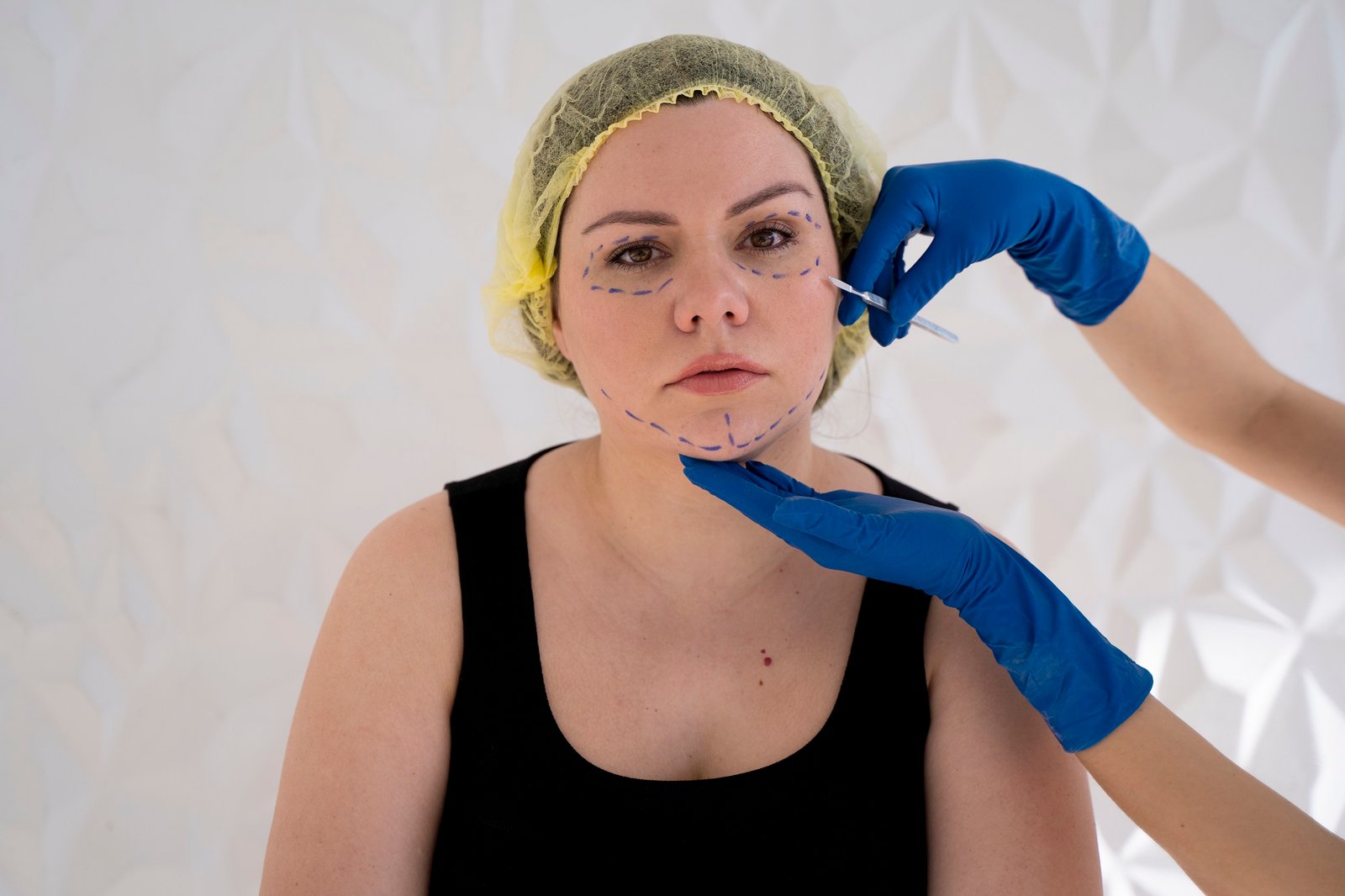
Understanding facial anatomy is crucial when considering injectable treatments. Your face is a complex structure composed of numerous muscles, nerves, and tissues, all working together to create expressions and define your appearance. Knowing the intricate details of facial anatomy helps in predicting how injectable treatments will alter these characteristics, ensuring you achieve the desired results.
Facial anatomy isn’t just about aesthetics; it’s also about function. The muscles and tissues in your face work in harmony to allow you to express emotions, eat, and communicate. This is why cosmetic dermatology emphasizes a thorough understanding of facial anatomy before performing injectable treatments. When these elements are altered with injectables, it’s essential that they continue to function correctly. Thus, a comprehensive understanding of facial anatomy is vital for maintaining both the beauty and the functionality of your face.
Injectable treatments are becoming increasingly popular for their ability to enhance facial features and reduce signs of aging. However, without a clear understanding of the underlying facial structures, these treatments can lead to less than optimal results. Therefore, it’s essential to learn about facial anatomy to make informed decisions about injectable treatments.
Key Structures of Facial Anatomy
The face is composed of several key structures that play a significant role in its overall appearance and function. These include bones, muscles, fat pads, and skin, each contributing uniquely to your facial aesthetics. Understanding these structures helps in determining how injectables or procedures such as a thread face lift can enhance or alter your natural features.
- Bones: The facial skeleton provides the framework for your face. It influences the shape and contour of your face, with certain bones being more prominent in some individuals than others. For instance, cheekbones can significantly impact the perception of youth and attractiveness.
- Muscles: Facial muscles are responsible for expressions and movements. They are crucial when considering injectables, as they determine how your face will react to treatments like Botox, which targets specific muscle groups to reduce wrinkles and lines. Likewise, HIFU skin tightening works by stimulating collagen production beneath the skin while preserving natural facial movement, making an understanding of facial muscle anatomy equally important.
- Fat Pads and Skin: These layers add volume and contour to the face. As you age, these structures can change, affecting the appearance of your skin and the effectiveness of injectable treatments. Knowing the location and function of these fat pads helps in achieving natural-looking results with fillers.
Understanding these structures is key to achieving the best possible results with injectable treatments. It allows you to tailor treatments to your unique anatomy, enhancing your natural beauty while maintaining facial harmony and balance.
How Facial Anatomy Affects Injectable Treatments
Facial anatomy plays a pivotal role in determining the outcome of injectable treatments. Each individual’s facial structure is unique, and understanding these differences is essential for customizing treatments to meet specific needs. This personalized approach ensures that injectables enhance your natural features rather than altering them in an undesirable way.
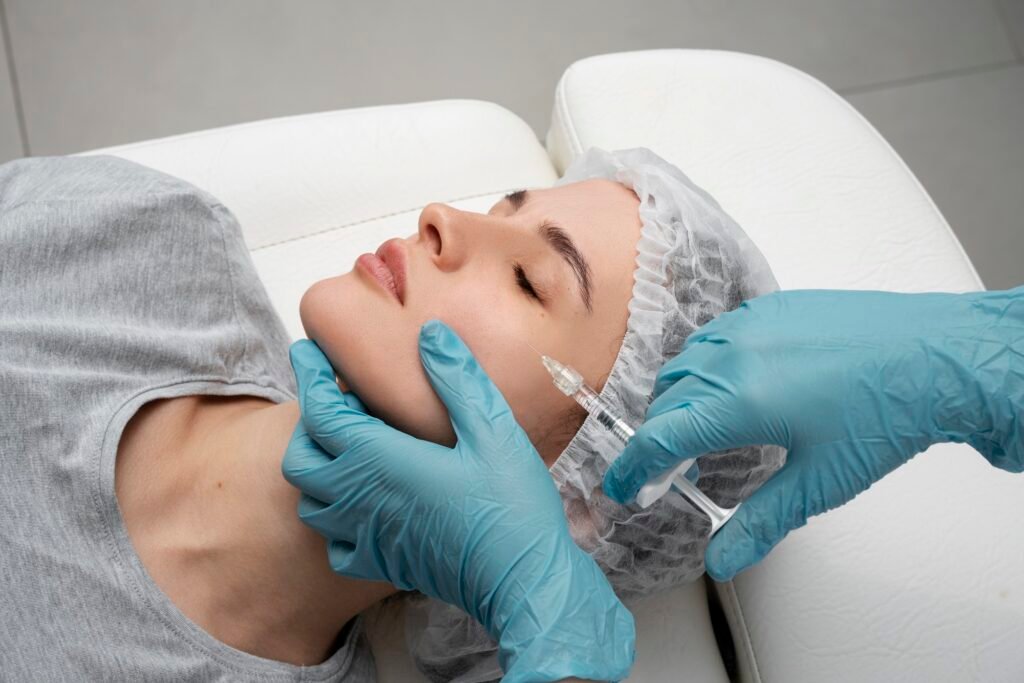
Injectables, such as dermal fillers and neuromodulators, work by interacting with the existing facial structures. For instance, fillers add volume to areas where there is a loss due to aging, while neuromodulators relax muscles to reduce the appearance of wrinkles. The efficacy and safety of these treatments are heavily dependent on the injector’s understanding of facial anatomy.
Moreover, facial anatomy affects the longevity of the results. Proper placement of injectables ensures that the effects are not only aesthetically pleasing but also long-lasting. Knowledge of facial anatomy aids in identifying the right injection sites and depths, minimizing the risk of complications and maximizing the benefits of the treatment.
Common Injectable Treatments and Their Target Areas
Injectable treatments have become a cornerstone in cosmetic enhancement, targeting specific areas of the face to improve appearance. Each treatment has distinct purposes, and understanding their target areas can help in choosing the right option for your needs.
1. Botulinum Toxin (Botox)
- Target Areas: Forehead lines, crow’s feet, frown lines.
- Purpose: Reduces muscle activity to smooth out dynamic wrinkles.
2. Dermal Fillers
- Target Areas: Cheeks, lips, nasolabial folds, under-eye hollows.
- Purpose: Adds volume and smoothness to areas with volume loss or deep lines.
3. Sculptra
- Target Areas: Temples, cheeks, jawline.
- Purpose: Stimulates collagen production for gradual volume restoration.
These treatments target specific facial areas to address concerns such as aging, asymmetry, or volume loss. Discussing these options with a professional can help you determine the most suitable treatment plan based on your facial anatomy and aesthetic goals.
Understanding Facial Symmetry and Balance
Facial symmetry and balance are key components of beauty. They are often used to assess attractiveness and can impact how others perceive you. Injectable treatments can play a significant role in enhancing or restoring facial symmetry and balance, thereby improving overall facial aesthetics.
Symmetry refers to the mirror-like similarity between the two halves of the face. While perfect symmetry is rare, achieving a balanced appearance is often the goal of cosmetic treatments. An understanding of facial anatomy allows injectors to make precise adjustments that enhance symmetry without compromising your natural look.
Balance involves the proportion and harmony between different facial features. For instance, the relationship between your nose and chin can influence your overall profile. Injectables can be used to create a harmonious balance, ensuring that your features complement each other and enhance your facial aesthetics.
Age-Related Changes in Facial Anatomy
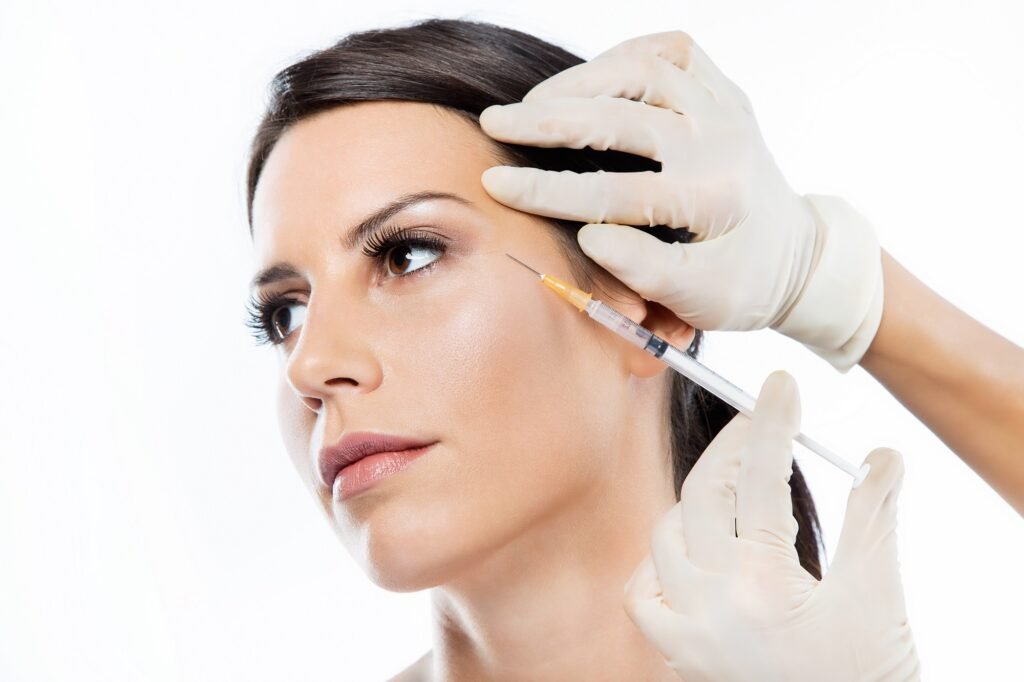
As you age, your facial anatomy undergoes several changes that can affect your appearance. These changes are natural but can be addressed with injectable treatments to maintain a youthful look. Understanding these age-related changes is crucial for choosing the right treatments.
Common Age-Related Changes:
- Volume Loss: Fat pads in the face diminish, leading to sagging and hollowing.
- Skin Laxity: Collagen and elastin decrease, causing skin to lose firmness.
- Bone Resorption: The facial skeleton shrinks, altering the contours of the face.
Understanding these changes helps in selecting treatments that restore volume, improve skin texture, and redefine facial contours. Injectables can be used strategically to combat these signs of aging, ensuring that you maintain a natural and youthful appearance.
Choosing the Right Injectable Based on Anatomy
Choosing the right injectable requires a thorough understanding of your facial anatomy and aesthetic goals. Not all injectables are suitable for every individual, and selecting the appropriate treatment involves considering factors such as your age, skin type, and desired outcomes.
Considerations When Choosing Injectables:
- Anatomical Needs: Identify areas needing enhancement or correction.
- Desired Outcome: Determine whether you seek volume restoration, wrinkle reduction, or both.
- Treatment Longevity: Consider how long you want the results to last.
Consulting with a skilled professional who understands facial anatomy ensures that the chosen injectables align with your anatomical needs and aesthetic desires. This tailored approach leads to more satisfying and long-lasting results.
The Role of Professional Expertise in Injectables
The success of injectable treatments heavily relies on the expertise of the professional administering them. An in-depth understanding of facial anatomy is crucial for ensuring safe and effective outcomes. Professionals with this expertise can accurately assess your needs and recommend the best treatment options. This is also important when considering procedures such as PRP treatment, where proper assessment and technique can help ensure the treatment is appropriately tailored to the individual’s needs.
Importance of Expertise:
- Precision: Expert injectors know the precise locations and depths for injections.
- Safety: Knowledge of anatomy minimizes risks of complications, such as nerve damage or vascular occlusion.
- Aesthetic Judgment: Experienced professionals can assess facial symmetry and balance to create natural-looking results.
Choosing a qualified professional with a proven track record in injectables is essential for achieving optimal results. Their expertise ensures that treatments are tailored to your unique facial structure, enhancing your natural beauty safely and effectively.

Tips for Patients: What to Discuss with Your Injector
When considering injectables, open communication with your injector is vital. Discussing your goals and concerns helps ensure that the treatment plan aligns with your expectations and anatomical needs. Here are some key points to discuss:
Discussion Points:
- Desired Results: Clearly communicate what you hope to achieve with the treatment.
- Previous Treatments: Inform your injector of any past procedures or treatments.
- Medical History: Share relevant medical information to ensure safe treatment.
By discussing these aspects, you and your injector can collaborate on a treatment plan that enhances your natural beauty while maintaining safety and efficacy.
Conclusion: The Importance of Understanding Facial Anatomy for Optimal Results
Understanding facial anatomy is crucial for achieving the best results with injectable treatments. This knowledge allows you to make informed decisions, ensuring that the treatments enhance your natural features safely and effectively. By working with skilled professionals who understand facial anatomy, you can achieve your aesthetic goals while maintaining facial harmony and function.