
Understanding Healthy Aging Skin vs. Youthful-Looking Skin When discussing skin health, it’s crucial to differentiate between healthy aging skin and youthful-looking skin. Healthy aging skin refers to skin that ages naturally and gracefully, maintaining its integrity and resilience over time. This type of skin embraces the aging process, focusing on health rather than aesthetics. On the contrary, youthful-looking skin often emphasizes a younger appearance, prioritizing traits like smoothness and firmness associated with youth. The pursuit of youthful-looking skin may involve cosmetic interventions and skincare products designed to reduce the visible signs of aging, with cosmetic dermatology offering various approaches to support these aesthetic goals. However, it doesn’t always equate to better skin health. The distinction between these two concepts lies in the approach to skincare. While both aim for beautiful skin, healthy aging focuses on long-term skin health, whereas youthful-looking skin often targets short-term aesthetic goals. Understanding this difference will help you choose suitable skincare strategies that align with your personal goals. Key Characteristics of Healthy Aging Skin Healthy aging skin is characterized by its ability to maintain elasticity, hydration, and an overall even skin tone. As you age, your skin naturally becomes thinner and less elastic, but healthy aging skin adapts to these changes without significant signs of damage. This type of skin is resilient and often features a natural glow. For those exploring advanced skincare options, treatments such as exosome therapy may also be considered as part of a broader approach to maintaining healthy-looking skin. One of the hallmarks of healthy aging skin is its moisture retention. As we age, our skin’s ability to hold moisture diminishes, leading to dryness and potential irritation. However, with proper hydration and care, healthy aging skin maintains adequate moisture levels, keeping it supple and reducing the appearance of fine lines. Another characteristic is the skin’s ability to repair itself. Healthy aging skin shows fewer signs of damage from external factors such as UV rays and pollution. This is largely due to a robust skincare routine that includes sun protection, antioxidants, and consistent hydration, which collectively promote the skin’s natural healing process. Traits of Youthful-Looking Skin Youthful-looking skin is often associated with a smooth, firm texture and an even complexion. This type of skin typically exhibits fewer visible pores, minimal wrinkles, and a radiant appearance. Achieving youthful-looking skin often involves targeted skincare products designed to combat signs of aging, with options such as botox sometimes considered as part of an overall approach to maintaining a youthful appearance. A key trait of youthful-looking skin is its plumpness. This is largely due to high levels of collagen and elastin, which provide structure and elasticity. As you age, these components decrease, leading to sagging skin and wrinkles. Many skincare products aim to boost collagen production to maintain a youthful appearance. Additionally, youthful-looking skin often has a vibrant and even tone, free of age spots or discoloration. Skincare routines for youthful skin often incorporate exfoliants and brightening agents to enhance skin tone and texture. While these methods can improve appearance, they might not contribute to the skin’s overall health in the long run. Common Skin Concerns as Skin Ages As skin ages, several common concerns tend to arise, each requiring targeted care. Among these are wrinkles, fine lines, and a loss of elasticity. These are natural results of the skin’s declining ability to produce collagen and elastin, leading to a less firm appearance. Age spots and hyperpigmentation are other prevalent concerns. These occur due to prolonged sun exposure and the skin’s decreased ability to repair itself over time. While sunscreen is an essential preventive measure, treatments like vitamin C serums can help address existing pigmentation issues. Dryness and thinning of the skin are additional challenges. Aging skin produces less oil, resulting in dryness and a more fragile texture. To combat this, it’s important to incorporate rich moisturizers and hydrating serums into your skincare routine, ensuring that your skin remains nourished and resilient. The Role of Skincare in Maintaining Healthy Aging Skin Skincare plays a pivotal role in maintaining healthy aging skin, focusing on both prevention and treatment. A comprehensive skincare routine can help mitigate the effects of aging and enhance skin health. Key components of such a routine include cleansing, exfoliating, moisturizing, and sun protection. Cleansing is essential for removing impurities and maintaining the skin’s natural barrier. Opt for gentle cleansers that preserve the skin’s moisture without stripping it of essential oils. Exfoliating helps remove dead skin cells, promoting cell turnover and revealing fresher skin underneath. Moisturizing is crucial to combat the dryness associated with aging. Use products containing hyaluronic acid or glycerin, which attract moisture to the skin. Additionally, sun protection is vital; applying a broad-spectrum sunscreen daily prevents UV damage, reducing the risk of premature aging and skin cancer. Lifestyle Factors that Impact Skin Health Several lifestyle factors significantly impact skin health. Sleep is a vital component, as it allows the body to repair and regenerate skin cells. Aim for 7-9 hours of quality sleep each night to support healthy skin. Stress management is another crucial factor. Chronic stress can lead to inflammation and exacerbate skin conditions like acne and eczema. Incorporating relaxation techniques such as meditation, yoga, or deep breathing exercises can help maintain a balanced mind and body, promoting skin health. Regular physical activity also contributes to healthy skin. Exercise increases blood circulation, delivering oxygen and nutrients to the skin, and helps flush out toxins. Aim for at least 150 minutes of moderate aerobic activity each week for optimal skin and overall health. Nutritional Considerations for Healthy Skin Nutrition plays an integral role in maintaining healthy skin. A balanced diet rich in antioxidants, vitamins, and healthy fats can significantly improve skin health. Key nutrients include vitamin C, vitamin E, omega-3 fatty acids, and zinc. Hydration is equally important. Drinking adequate water helps maintain skin moisture levels, supporting its structural integrity. Aim for at least 8 glasses of water a day and include water-rich foods like cucumbers and melons in your diet. Effective
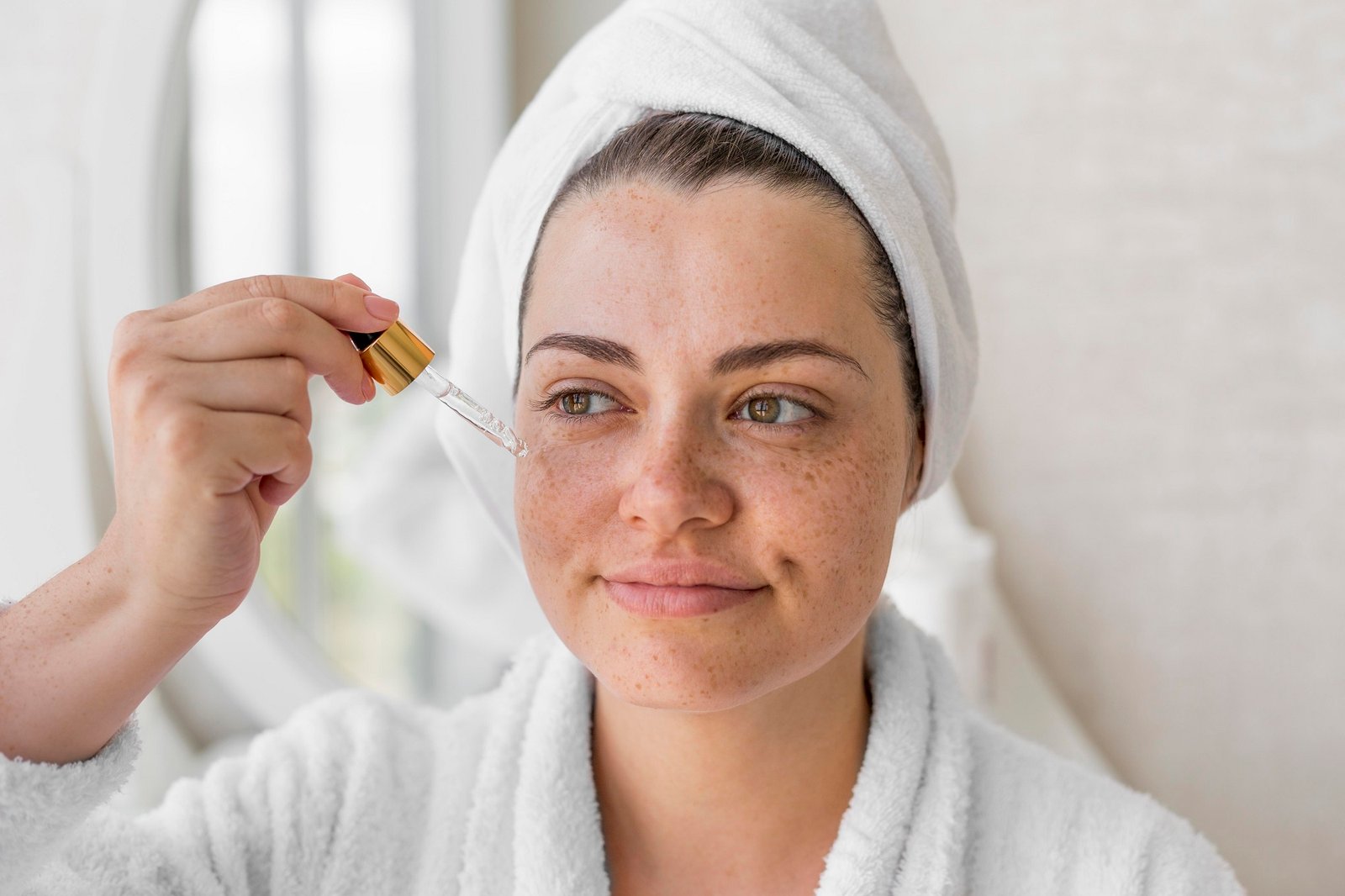
How to Support Healthy Skin After Acne
Acne is more than just a skin condition. It can leave both physical and emotional scars long after the pimples have cleared. Understanding acne involves recognizing the role of excess oil production, clogged pores, bacteria, and inflammation. These elements contribute to the development of acne, which can affect individuals of all ages, not just teenagers. The aftermath of acne can present a new set of challenges, as it often leaves the skin looking uneven, with lingering redness or dark spots. Acne’s impact on skin health is significant. The skin’s barrier can be weakened, making it more susceptible to environmental stressors like pollution and UV rays. This can lead to further irritation and delay the healing process. Additionally, acne can result in post-inflammatory hyperpigmentation (PIH), where dark spots remain long after the acne has resolved. In more severe cases, lingering acne scars may prompt individuals to consider scar revision procedures alongside treatments for discoloration to achieve a more even complexion. Achieving healthy skin after acne requires understanding these impacts and addressing them effectively. By adopting a comprehensive approach that includes proper skincare, nutrition, and possibly professional treatments, you can support your skin’s recovery and restore its health and vitality. The Importance of Post-Acne Skin Care Post-acne skincare is crucial in maintaining and improving your skin’s health. Once acne clears, the skin needs to recover from the trauma of breakouts and inflammation. Effective post-acne care helps to repair the skin barrier, reduce redness and pigmentation, and prevent future breakouts. This involves using products specifically designed to soothe and heal post-acne skin. Implementing a consistent skincare routine can significantly improve your skin’s texture and tone. This routine should include products containing ingredients known to calm inflammation and promote healing. For example, niacinamide is a powerhouse ingredient that reduces redness and strengthens the skin barrier, while hyaluronic acid helps to hydrate and plump the skin. Whether you’re following a home regimen or seeking advice in cosmetic dermatology, the combination of these ingredients can help restore your skin’s natural balance and resilience. Furthermore, post-acne care is not only about topical treatments. It is about creating a holistic approach that includes lifestyle changes such as stress management and adequate sleep. These factors can influence your skin’s ability to heal and regenerate. By understanding the importance of post-acne skincare, you can take proactive steps to support your skin’s recovery journey. Essential Ingredients for Healthy Skin After Acne Choosing the right ingredients for your skincare products is essential to achieving healthy skin after acne. For individuals looking to address lingering acne marks or improve skin texture, treatments such as microneedling can also complement a well-formulated skincare routine. Here are some key ingredients you should consider incorporating into your routine: Incorporating these ingredients into your daily skincare routine can help address the specific needs of post-acne skin. However, it’s important to introduce new products gradually and monitor your skin’s response to avoid irritation. Your approach should be gentle yet effective, focusing on healing and protecting your skin. Daily Skin Care Routine for Post-Acne Care A consistent daily skincare routine is vital for maintaining healthy skin after acne. Here is a suggested routine to follow: Morning Routine: Evening Routine: Consistency is key when it comes to skincare. By following this routine diligently, you can help your skin recover from acne while preventing future breakouts. Nutritional Support for Skin Healing Diet plays a crucial role in skin health, especially when recovering from acne. Consuming a balanced diet rich in essential nutrients can support your skin’s healing process. Here are some dietary considerations to keep in mind: By focusing on a nutrient-rich diet, you can enhance your skin’s natural ability to heal and regenerate, complementing the efforts of your skincare routine. The Role of Hydration in Skin Recovery Hydration is a cornerstone of healthy skin recovery after acne. Proper hydration helps to maintain the skin’s elasticity, promotes healing, and ensures that your skin barrier functions optimally. Water is crucial for transporting nutrients to skin cells and removing toxins, both of which are vital for skin recovery. Internally, drinking sufficient water helps to keep your skin hydrated from within. Aim for at least 8 glasses of water a day, and consider incorporating hydrating foods like cucumbers and watermelon into your diet. These not only provide water but also supply essential vitamins and antioxidants. Topical hydration is equally important. Incorporate products with hydrating ingredients like hyaluronic acid, glycerin, and aloe vera into your skincare routine. These ingredients attract moisture to the skin and help to maintain a healthy moisture balance. By ensuring your skin is well-hydrated, you can support its ability to repair itself and remain resilient against future acne outbreaks. Professional Treatments for Post-Acne Skin Professional treatments can offer significant benefits for post-acne skin, especially if you’re dealing with scarring or stubborn hyperpigmentation. Here are some options to consider: Consult with a dermatologist to determine which treatment is best suited for your skin type and concerns. These treatments can complement your at-home skincare routine, providing more targeted results for post-acne recovery. Tips for Preventing Acne Scarring Preventing acne scarring is an important aspect of post-acne care. Here are some tips to minimize the risk of scarring: By following these tips, you can reduce the likelihood of scarring and maintain your skin’s health and appearance. The Psychological Impact of Acne and Skin Healing The psychological impact of acne can be profound, affecting your self-esteem and confidence. It’s important to address not just the physical aspects of acne but also the emotional toll it can take. Living with acne can lead to feelings of embarrassment, anxiety, and even depression. Recognizing these feelings is the first step toward healing. Support systems, whether through friends, family, or professional counseling, can be invaluable in managing the emotional impact of acne. Sharing your experiences and challenges with others who understand can provide comfort and encouragement. Additionally, practicing self-care and mindfulness can help you cope with stress and build a positive self-image. Remember that healing is a journey, both