

Laser hair removal has become an increasingly popular method for achieving smooth, hair-free skin. By using concentrated beams of light, this technique targets hair follicles to inhibit future growth. For many, it’s a more permanent solution compared to traditional methods like shaving, waxing, or plucking. However, while laser hair removal is effective for many individuals, not all hair types respond equally well to the treatment.
The process is typically praised for its precision and ability to treat large areas quickly. Yet, the effectiveness of laser hair removal largely depends on the contrast between hair and skin color. This means that those with dark hair and light skin often see the best results. But what about those with blonde, red, gray, or white hair? Understanding why these hair colors pose challenges is crucial for setting realistic expectations.
How Laser Hair Removal Works
Laser hair removal operates on the principle of selective photothermolysis, where specific wavelengths of light are absorbed by the melanin in hair. The laser emits a light that is absorbed by the pigment in the hair, which converts to heat and damages the follicle. This damage inhibits or delays future hair growth, making it an appealing choice for long-term hair reduction.

The treatment is most effective during the anagen phase of hair growth, when the hair is actively growing. This phase allows the laser to target the hair and its follicle effectively. Hair grows in different phases, so multiple sessions are needed to treat every hair at its optimal stage.
While laser hair removal is a straightforward concept, its application can vary based on individual characteristics. Factors such as skin type, hair color, and even hormonal balance can influence the procedure’s success. Understanding these variables is essential for maximizing results and minimizing potential side effects.
The Science Behind Hair Color and Laser Treatment
The effectiveness of laser hair removal is fundamentally linked to the amount of melanin present in the hair. Melanin is the pigment that gives hair its color, with darker hair containing more melanin. This abundance of pigment absorbs more laser energy, leading to more effective follicle damage. Consequently, individuals with dark hair and light skin are typically ideal candidates for this procedure. Understanding how different treatments work is important when exploring hair-care options, as approaches such as exosome therapy focus on different aspects of hair and scalp health.
Blonde, red, gray, and white hair contain less melanin, making them less receptive to laser treatment. This lack of pigment means that the laser light is not absorbed as effectively, reducing the treatment’s efficacy. Without a sufficient amount of melanin, the laser energy cannot be properly converted to heat to damage the follicle.
Understanding the science behind hair color and laser treatment highlights the importance of selecting the right method for hair removal. For those with lighter hair colors, exploring alternative solutions or consulting with specialists can provide a pathway to successful hair management. Depending on individual concerns, other options such as microneedling may also be discussed as part of a broader approach to hair and skin care.
Challenges with Blonde Hair in Laser Removal
Blonde hair presents unique challenges in laser hair removal due to its lower melanin content. The lack of pigment means that the laser light is not efficiently absorbed, leading to less effective results. People with blonde hair may need extra sessions and still see less satisfying results.
Moreover, the varying shades within blonde hair can further complicate treatment. Blonde shades vary in melanin, which affects how well lasers can target and destroy follicles. This variability requires a tailored approach, often involving consultations with experienced professionals who can adjust laser settings accordingly.
Despite these challenges, technological advancements have led to the development of lasers specifically designed to target lighter hair colors. These specialized devices can offer improved outcomes for blonde-haired individuals, though they still may not match the effectiveness seen in darker hair types.
Difficulties of Treating Red Hair
Red hair, like blonde, contains less melanin, but it presents a distinct set of challenges due to its unique pigment composition. The primary pigment in red hair is pheomelanin, which differs from the eumelanin found in black and brown hair. This difference means that conventional lasers, which are designed to target eumelanin, may struggle to effectively treat red hair.
The distinct nature of pheomelanin requires advanced laser technology that can specifically address this pigment type. However, even with specialized equipment, red hair can be stubborn, often necessitating more frequent sessions and a more personalized treatment plan.
It’s crucial for those with red hair to manage their expectations and consult with laser specialists who have experience working with this hair type. By understanding the inherent challenges and exploring the latest technological options, individuals with red hair can achieve the best possible results.
Addressing Gray Hair in Laser Hair Removal
Gray hair poses significant challenges for laser hair removal due to its minimal melanin content. As hair grays, it loses its pigment, making it difficult for lasers to target the follicles effectively. Without pigment, the laser’s energy isn’t absorbed, so it can’t generate the heat needed to damage the follicle.
For individuals with gray hair seeking laser hair removal, the key is to explore alternative methods or seek out newer laser technologies that may offer some level of efficacy. While traditional lasers may struggle, some innovative systems have shown promise in treating lighter hair colors, albeit with varying degrees of success.
Understanding the limitations of laser hair removal for gray hair is essential for developing a realistic hair management strategy. Consulting with experienced practitioners can provide insights into the most effective approaches, ensuring that individuals with gray hair can find a solution that meets their needs.
The Unique Issues with White Hair
White hair, devoid of melanin, is particularly challenging for laser hair removal. The absence of pigment means that there is virtually no target for the laser energy to absorb, rendering traditional laser treatments ineffective for this hair type. This poses a significant obstacle for those with predominantly white hair seeking long-term hair reduction solutions.
Despite these challenges, some emerging technologies are beginning to address the needs of individuals with white hair. These advancements focus on alternative wavelengths and techniques that may offer some potential for treatment. However, these options are still in the developmental stages and may not yet be widely available or proven.
For those with white hair, exploring non-laser hair removal methods or seeking specialized clinics with cutting-edge technology may provide a path forward. Engaging with experts who understand the unique challenges of white hair can help in devising a strategy that aligns with personal grooming goals.
Alternative Hair Removal Methods for Light-Colored Hair
For those with light-colored hair, exploring alternative hair removal methods can be essential. Since traditional laser hair removal may not provide satisfactory results, considering other options can ensure effective hair management. Here are some alternatives that may be suitable:
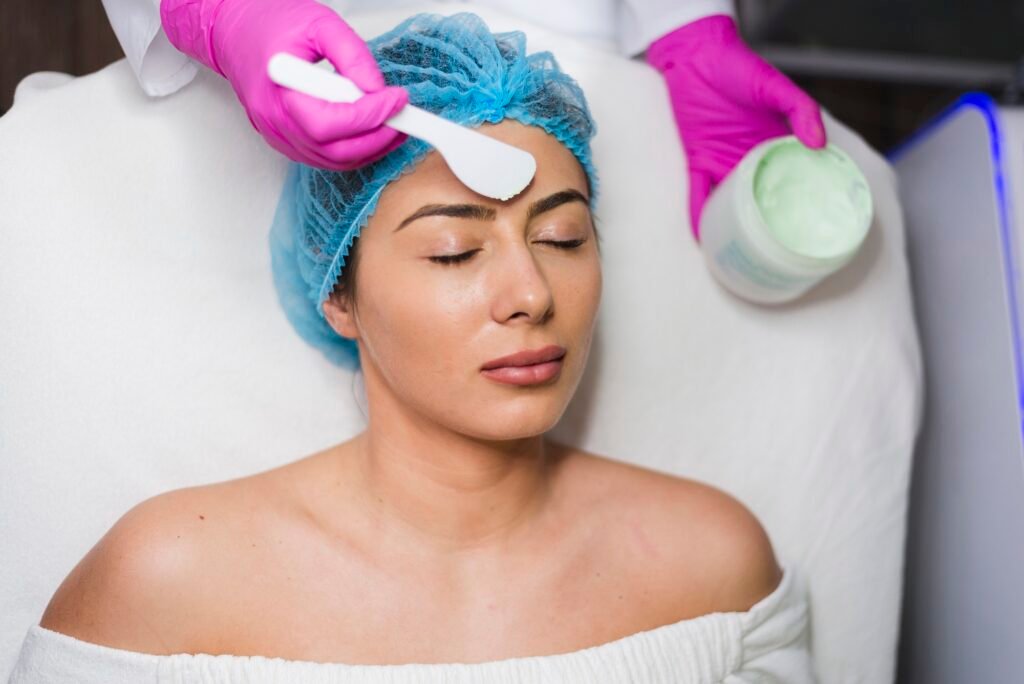
- Electrolysis: This method uses an electric current to destroy hair follicles and is effective for all hair types, including blonde, red, gray, and white hair. It is often considered the most permanent hair removal solution.
- Intense Pulsed Light (IPL): While similar to laser hair removal, IPL uses a broad spectrum of light that may be more effective for lighter hair colors. However, it may still require multiple sessions and may not be as effective as other methods for very light hair.
- Depilatory Creams: These chemical-based creams dissolve hair at the skin’s surface and are suitable for all hair types. While not permanent, they offer a temporary solution that can be used at home.
- Waxing and Sugaring: These methods remove hair from the root and are effective for any hair color. They provide longer-lasting results compared to shaving and can be done professionally or at home.
By understanding and considering these alternatives, you can choose a method that aligns best with your hair type and personal preferences. Consulting with hair removal specialists can also provide valuable insights into the most suitable options for your needs.
Consulting with Professionals: What to Expect
When considering laser hair removal or alternative methods, consulting with a professional can be invaluable. An experienced practitioner can assess your hair and skin type, recommend the most effective treatment, and set realistic expectations for outcomes. During the consultation, you can expect the following:
- Assessment and Evaluation: The specialist will examine your hair and skin to determine the most suitable treatment options. They will consider factors such as hair color, skin type, and any underlying conditions that may affect the treatment’s effectiveness.
- Discussion of Options: Based on the evaluation, the professional will discuss the available options, including laser hair removal, alternative methods, and emerging technologies. They will explain the benefits and limitations of each approach, helping you make an informed decision.
- Customized Treatment Plan: If you proceed with treatment, the specialist will create a personalized plan tailored to your specific needs. This plan will outline the recommended number of sessions, intervals between treatments, and any necessary aftercare.
By consulting with professionals, you can gain a deeper understanding of your hair removal options and receive expert guidance on achieving the best possible results. This partnership can ensure that your chosen method aligns with your goals and delivers satisfactory outcomes.

Conclusion: Finding the Right Solution for Your Hair Type
Navigating the world of hair removal can be complex, especially for those with blonde, red, gray, or white hair. Understanding the challenges these hair colors present in laser hair removal is crucial for setting realistic expectations and exploring suitable alternatives. By considering factors such as hair color, skin type, and personal preferences, you can find a solution that aligns with your grooming goals.
Remember that consulting with professionals and exploring emerging technologies can provide valuable insights and open doors to new possibilities. Whether through laser treatments, alternative methods, or a combination of approaches, achieving smooth, hair-free skin is within reach.