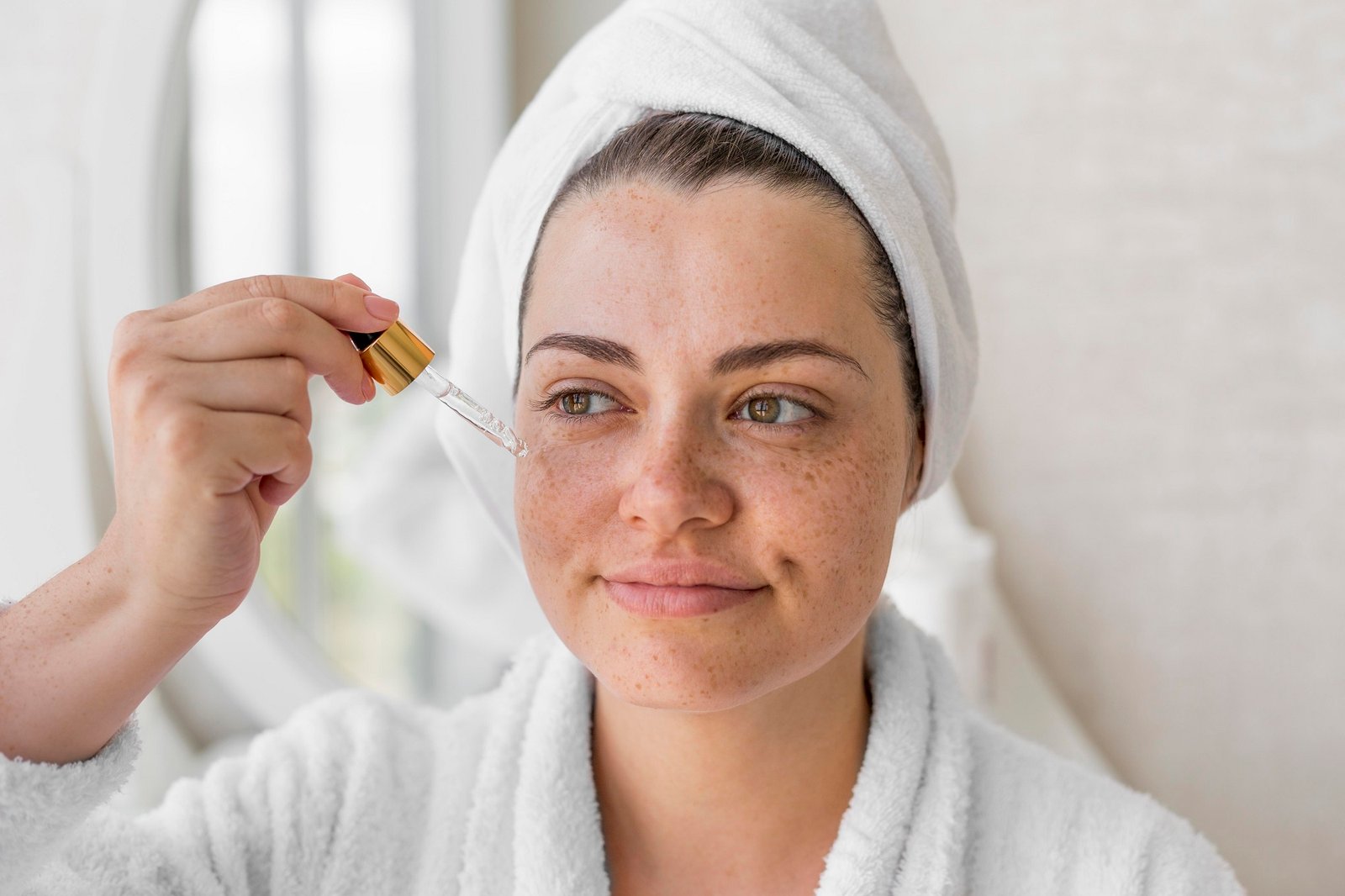
Acne is more than just a skin condition. It can leave both physical and emotional scars long after the pimples have cleared. Understanding acne involves recognizing the role of excess oil production, clogged pores, bacteria, and inflammation. These elements contribute to the development of acne, which can affect individuals of all ages, not just teenagers. The aftermath of acne can present a new set of challenges, as it often leaves the skin looking uneven, with lingering redness or dark spots.
Acne’s impact on skin health is significant. The skin’s barrier can be weakened, making it more susceptible to environmental stressors like pollution and UV rays. This can lead to further irritation and delay the healing process. Additionally, acne can result in post-inflammatory hyperpigmentation (PIH), where dark spots remain long after the acne has resolved. In more severe cases, lingering acne scars may prompt individuals to consider scar revision procedures alongside treatments for discoloration to achieve a more even complexion.
Achieving healthy skin after acne requires understanding these impacts and addressing them effectively. By adopting a comprehensive approach that includes proper skincare, nutrition, and possibly professional treatments, you can support your skin’s recovery and restore its health and vitality.
The Importance of Post-Acne Skin Care
Post-acne skincare is crucial in maintaining and improving your skin’s health. Once acne clears, the skin needs to recover from the trauma of breakouts and inflammation. Effective post-acne care helps to repair the skin barrier, reduce redness and pigmentation, and prevent future breakouts. This involves using products specifically designed to soothe and heal post-acne skin.
Implementing a consistent skincare routine can significantly improve your skin’s texture and tone. This routine should include products containing ingredients known to calm inflammation and promote healing. For example, niacinamide is a powerhouse ingredient that reduces redness and strengthens the skin barrier, while hyaluronic acid helps to hydrate and plump the skin. Whether you’re following a home regimen or seeking advice in cosmetic dermatology, the combination of these ingredients can help restore your skin’s natural balance and resilience.
Furthermore, post-acne care is not only about topical treatments. It is about creating a holistic approach that includes lifestyle changes such as stress management and adequate sleep. These factors can influence your skin’s ability to heal and regenerate. By understanding the importance of post-acne skincare, you can take proactive steps to support your skin’s recovery journey.
Essential Ingredients for Healthy Skin After Acne
Choosing the right ingredients for your skincare products is essential to achieving healthy skin after acne. For individuals looking to address lingering acne marks or improve skin texture, treatments such as microneedling can also complement a well-formulated skincare routine. Here are some key ingredients you should consider incorporating into your routine:
- Salicylic Acid: This beta hydroxy acid (BHA) helps to unclog pores and reduce inflammation. It’s particularly effective for preventing future breakouts.
- Retinoids: Known for their ability to promote cell turnover, retinoids can help fade post-acne marks and improve skin texture.
- Vitamin C: This powerful antioxidant brightens the skin and reduces pigmentation, making it ideal for tackling post-inflammatory hyperpigmentation.
- Ceramides: These help to restore and maintain the skin’s natural barrier, preventing moisture loss and enhancing overall skin health.
- Zinc: Often found in topical treatments, zinc can reduce inflammation and soothe irritated skin.
Incorporating these ingredients into your daily skincare routine can help address the specific needs of post-acne skin. However, it’s important to introduce new products gradually and monitor your skin’s response to avoid irritation. Your approach should be gentle yet effective, focusing on healing and protecting your skin.
Daily Skin Care Routine for Post-Acne Care
A consistent daily skincare routine is vital for maintaining healthy skin after acne. Here is a suggested routine to follow:
Morning Routine:
- Cleanser: Start with a gentle, sulfate-free cleanser to remove impurities without stripping your skin of its natural oils.
- Toner: Use an alcohol-free toner to balance your skin’s pH levels.
- Serum: Apply a vitamin C serum to brighten your skin and protect against environmental damage.
- Moisturizer: Use a lightweight, non-comedogenic moisturizer to keep your skin hydrated.
- Sunscreen: Finish with a broad-spectrum SPF of at least 30 to protect your skin from UV damage.
Evening Routine:
- Cleanser: Repeat the cleansing step to remove makeup and dirt accumulated during the day.
- Exfoliate: Use a chemical exfoliant like salicylic acid 2-3 times a week to remove dead skin cells.
- Treatment: Apply a retinoid or acne treatment to target specific concerns.
- Moisturizer: Use a nighttime moisturizer or a cream with ceramides to repair your skin overnight.
Consistency is key when it comes to skincare. By following this routine diligently, you can help your skin recover from acne while preventing future breakouts.
Nutritional Support for Skin Healing
Diet plays a crucial role in skin health, especially when recovering from acne. Consuming a balanced diet rich in essential nutrients can support your skin’s healing process. Here are some dietary considerations to keep in mind:

- Antioxidants: Foods high in antioxidants, such as berries, green tea, and dark chocolate, can protect your skin from oxidative stress and promote healing.
- Omega-3 Fatty Acids: Found in fish like salmon and walnuts, omega-3s can reduce inflammation and improve skin elasticity.
- Vitamins and Minerals: Vitamins A, C, E, and zinc are vital for skin repair and regeneration. Incorporate foods like sweet potatoes, citrus fruits, nuts, and seeds to ensure you’re getting these nutrients.
- Hydration: Drinking plenty of water is essential for keeping your skin hydrated and flushing out toxins.
- Limit Sugar and Dairy: High sugar and dairy intake have been linked to acne, so it may be beneficial to reduce your consumption of these foods.
By focusing on a nutrient-rich diet, you can enhance your skin’s natural ability to heal and regenerate, complementing the efforts of your skincare routine.
The Role of Hydration in Skin Recovery
Hydration is a cornerstone of healthy skin recovery after acne. Proper hydration helps to maintain the skin’s elasticity, promotes healing, and ensures that your skin barrier functions optimally. Water is crucial for transporting nutrients to skin cells and removing toxins, both of which are vital for skin recovery.
Internally, drinking sufficient water helps to keep your skin hydrated from within. Aim for at least 8 glasses of water a day, and consider incorporating hydrating foods like cucumbers and watermelon into your diet. These not only provide water but also supply essential vitamins and antioxidants.
Topical hydration is equally important. Incorporate products with hydrating ingredients like hyaluronic acid, glycerin, and aloe vera into your skincare routine. These ingredients attract moisture to the skin and help to maintain a healthy moisture balance. By ensuring your skin is well-hydrated, you can support its ability to repair itself and remain resilient against future acne outbreaks.
Professional Treatments for Post-Acne Skin
Professional treatments can offer significant benefits for post-acne skin, especially if you’re dealing with scarring or stubborn hyperpigmentation. Here are some options to consider:
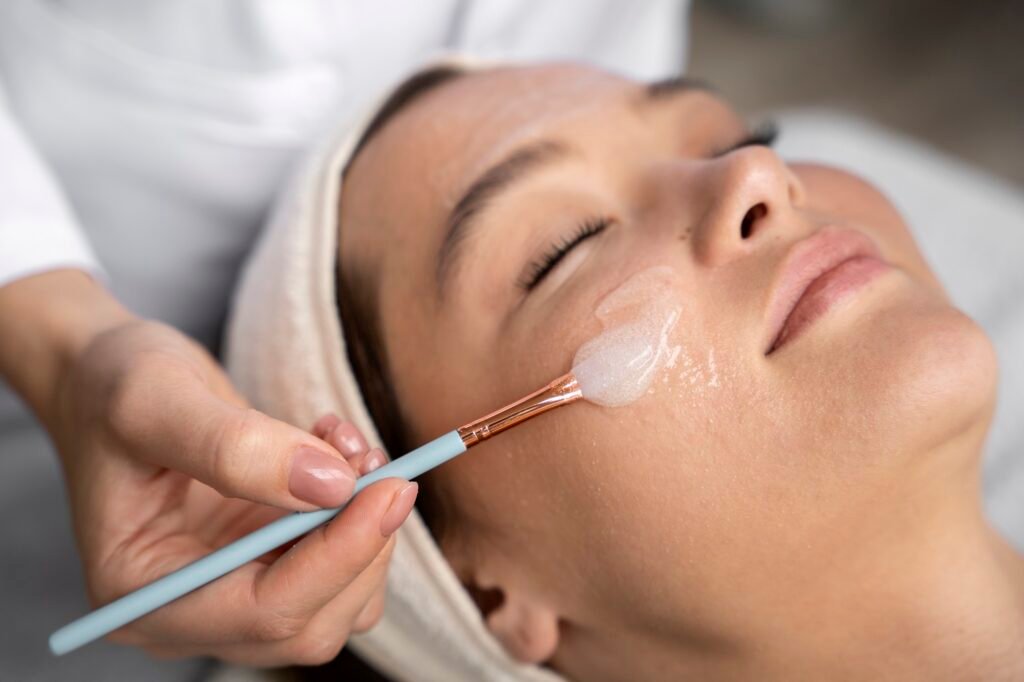
- Chemical Peels: These involve applying a chemical solution to the skin to exfoliate and remove the top layers. They can improve skin texture and reduce discoloration.
- Laser Therapy: Laser treatments target deep layers of the skin to stimulate collagen production, helping to reduce scars and improve overall skin tone.
- Microneedling: This procedure involves tiny needles that create micro-injuries in the skin, promoting collagen and elastin production.
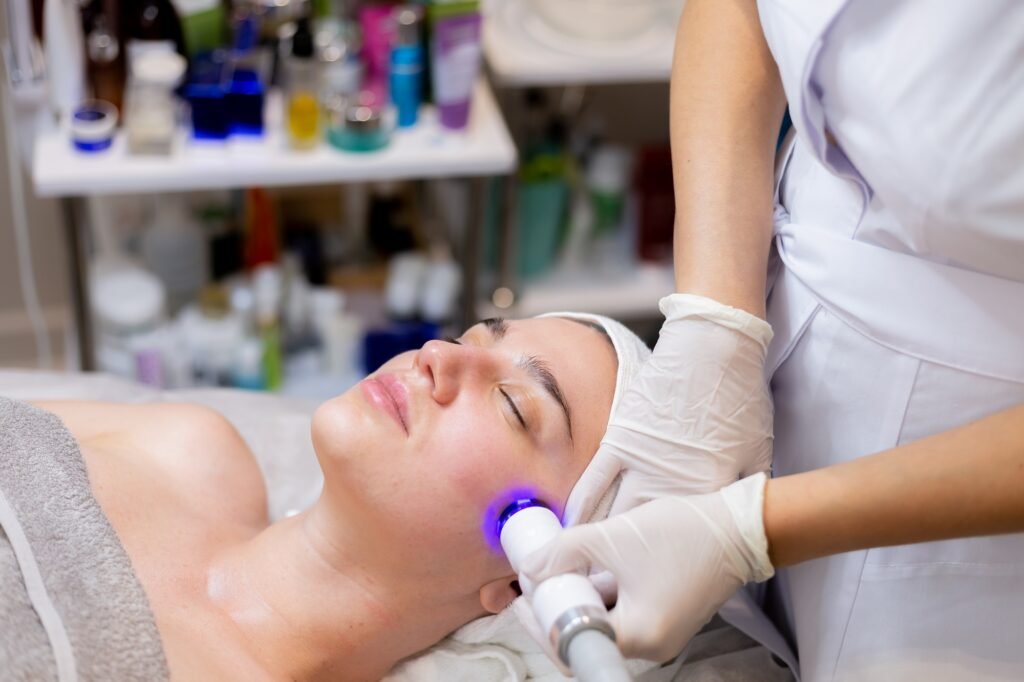
- Microdermabrasion: A non-invasive procedure that exfoliates the skin, reducing the appearance of scars and improving texture.
Consult with a dermatologist to determine which treatment is best suited for your skin type and concerns. These treatments can complement your at-home skincare routine, providing more targeted results for post-acne recovery.
Tips for Preventing Acne Scarring
Preventing acne scarring is an important aspect of post-acne care. Here are some tips to minimize the risk of scarring:
- Avoid Picking: Picking or squeezing pimples can lead to scarring. It’s best to let acne run its course or consult with a dermatologist for treatment options.
- Use Sunscreen: Sun exposure can darken scars and make them more noticeable. Always apply a broad-spectrum sunscreen to protect your skin.
- Gentle Skincare: Use gentle, non-irritating products to avoid further damaging your skin. Look for formulations free of harsh chemicals and fragrances.
- Spot Treatments: Apply targeted treatments containing ingredients like salicylic acid or benzoyl peroxide to treat acne quickly and prevent it from worsening.
- Early Intervention: Seek professional help early to address severe acne and prevent long-term damage.
By following these tips, you can reduce the likelihood of scarring and maintain your skin’s health and appearance.
The Psychological Impact of Acne and Skin Healing
The psychological impact of acne can be profound, affecting your self-esteem and confidence. It’s important to address not just the physical aspects of acne but also the emotional toll it can take. Living with acne can lead to feelings of embarrassment, anxiety, and even depression. Recognizing these feelings is the first step toward healing.
Support systems, whether through friends, family, or professional counseling, can be invaluable in managing the emotional impact of acne. Sharing your experiences and challenges with others who understand can provide comfort and encouragement. Additionally, practicing self-care and mindfulness can help you cope with stress and build a positive self-image.
Remember that healing is a journey, both physically and emotionally. Patience and kindness toward yourself are key. Celebrate small victories in your skincare progress and focus on the aspects of yourself that you appreciate. Embracing your unique beauty and resilience is an essential part of the healing process.
Conclusion: Embracing Your Skin Journey
Embracing your skin journey is about recognizing the progress you’ve made and the steps you continue to take toward healthier skin. It’s about understanding that perfection is not the goal; rather, it’s about achieving a state of balance and wellness. Each step, whether it’s adopting a new skincare routine or making dietary changes, contributes to your overall skin health.