Understanding Healthy Aging Skin vs. Youthful-Looking Skin
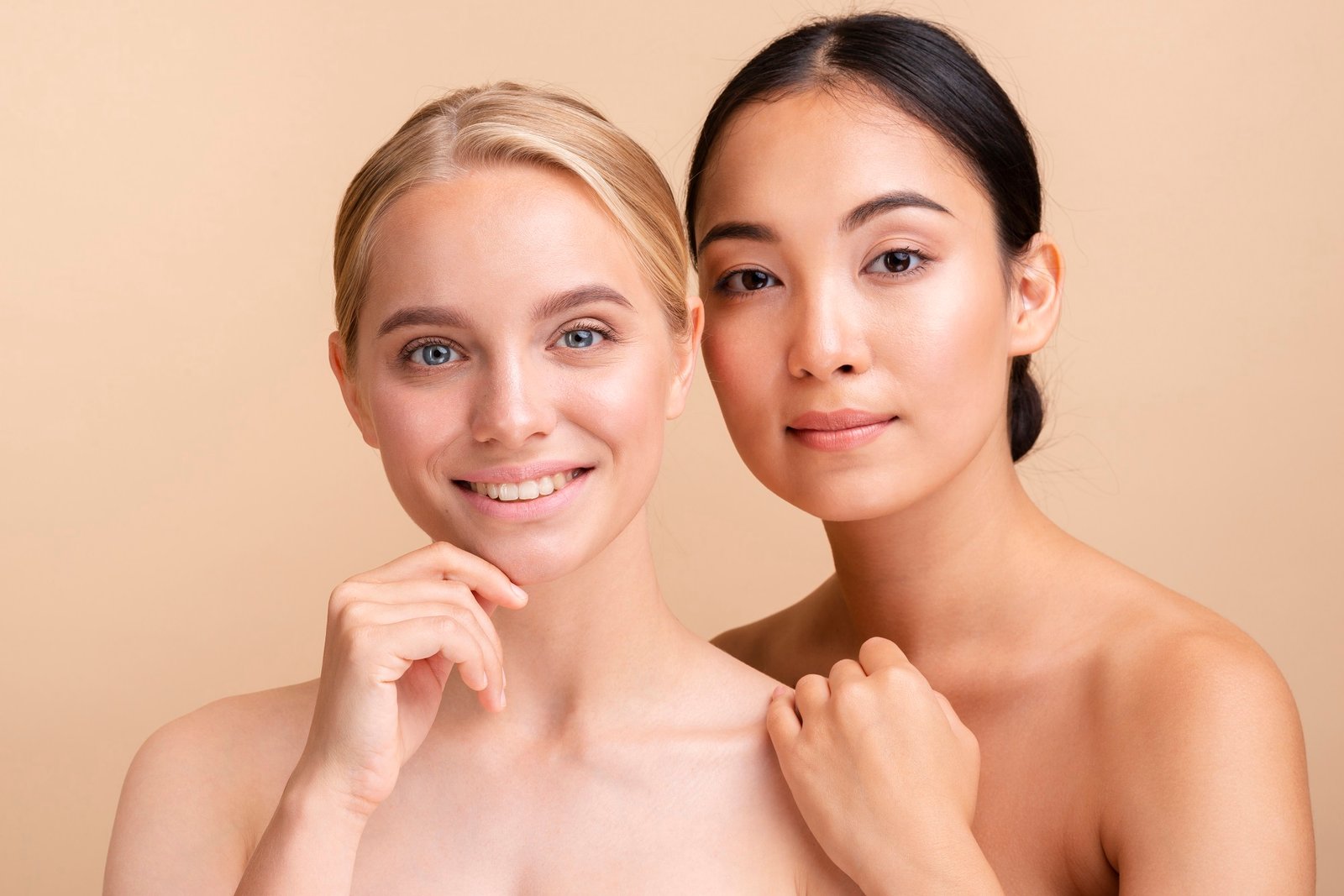
When discussing skin health, it’s crucial to differentiate between healthy aging skin and youthful-looking skin. Healthy aging skin refers to skin that ages naturally and gracefully, maintaining its integrity and resilience over time. This type of skin embraces the aging process, focusing on health rather than aesthetics.
On the contrary, youthful-looking skin often emphasizes a younger appearance, prioritizing traits like smoothness and firmness associated with youth. The pursuit of youthful-looking skin may involve cosmetic interventions and skincare products designed to reduce the visible signs of aging, with cosmetic dermatology offering various approaches to support these aesthetic goals. However, it doesn’t always equate to better skin health.
The distinction between these two concepts lies in the approach to skincare. While both aim for beautiful skin, healthy aging focuses on long-term skin health, whereas youthful-looking skin often targets short-term aesthetic goals. Understanding this difference will help you choose suitable skincare strategies that align with your personal goals.
Key Characteristics of Healthy Aging Skin
Healthy aging skin is characterized by its ability to maintain elasticity, hydration, and an overall even skin tone. As you age, your skin naturally becomes thinner and less elastic, but healthy aging skin adapts to these changes without significant signs of damage. This type of skin is resilient and often features a natural glow. For those exploring advanced skincare options, treatments such as exosome therapy may also be considered as part of a broader approach to maintaining healthy-looking skin.
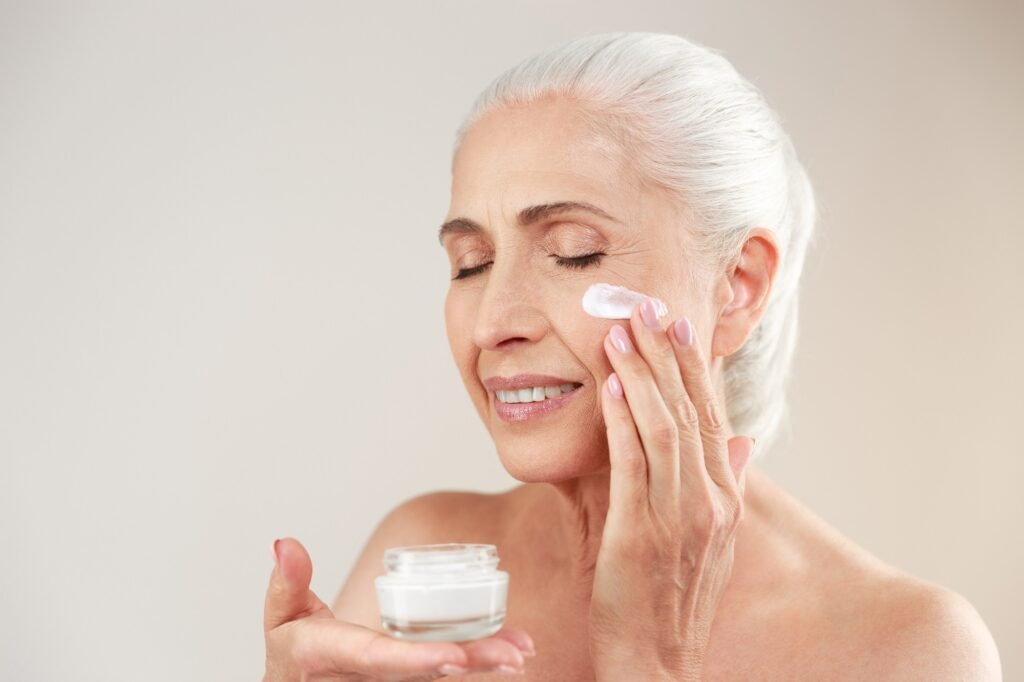
One of the hallmarks of healthy aging skin is its moisture retention. As we age, our skin’s ability to hold moisture diminishes, leading to dryness and potential irritation. However, with proper hydration and care, healthy aging skin maintains adequate moisture levels, keeping it supple and reducing the appearance of fine lines.
Another characteristic is the skin’s ability to repair itself. Healthy aging skin shows fewer signs of damage from external factors such as UV rays and pollution. This is largely due to a robust skincare routine that includes sun protection, antioxidants, and consistent hydration, which collectively promote the skin’s natural healing process.
Traits of Youthful-Looking Skin
Youthful-looking skin is often associated with a smooth, firm texture and an even complexion. This type of skin typically exhibits fewer visible pores, minimal wrinkles, and a radiant appearance. Achieving youthful-looking skin often involves targeted skincare products designed to combat signs of aging, with options such as botox sometimes considered as part of an overall approach to maintaining a youthful appearance.
A key trait of youthful-looking skin is its plumpness. This is largely due to high levels of collagen and elastin, which provide structure and elasticity. As you age, these components decrease, leading to sagging skin and wrinkles. Many skincare products aim to boost collagen production to maintain a youthful appearance.
Additionally, youthful-looking skin often has a vibrant and even tone, free of age spots or discoloration. Skincare routines for youthful skin often incorporate exfoliants and brightening agents to enhance skin tone and texture. While these methods can improve appearance, they might not contribute to the skin’s overall health in the long run.
Common Skin Concerns as Skin Ages
As skin ages, several common concerns tend to arise, each requiring targeted care. Among these are wrinkles, fine lines, and a loss of elasticity. These are natural results of the skin’s declining ability to produce collagen and elastin, leading to a less firm appearance.
Age spots and hyperpigmentation are other prevalent concerns. These occur due to prolonged sun exposure and the skin’s decreased ability to repair itself over time. While sunscreen is an essential preventive measure, treatments like vitamin C serums can help address existing pigmentation issues.
Dryness and thinning of the skin are additional challenges. Aging skin produces less oil, resulting in dryness and a more fragile texture. To combat this, it’s important to incorporate rich moisturizers and hydrating serums into your skincare routine, ensuring that your skin remains nourished and resilient.
The Role of Skincare in Maintaining Healthy Aging Skin
Skincare plays a pivotal role in maintaining healthy aging skin, focusing on both prevention and treatment. A comprehensive skincare routine can help mitigate the effects of aging and enhance skin health. Key components of such a routine include cleansing, exfoliating, moisturizing, and sun protection.
Cleansing is essential for removing impurities and maintaining the skin’s natural barrier. Opt for gentle cleansers that preserve the skin’s moisture without stripping it of essential oils. Exfoliating helps remove dead skin cells, promoting cell turnover and revealing fresher skin underneath.
Moisturizing is crucial to combat the dryness associated with aging. Use products containing hyaluronic acid or glycerin, which attract moisture to the skin. Additionally, sun protection is vital; applying a broad-spectrum sunscreen daily prevents UV damage, reducing the risk of premature aging and skin cancer.
Lifestyle Factors that Impact Skin Health
Several lifestyle factors significantly impact skin health. Sleep is a vital component, as it allows the body to repair and regenerate skin cells. Aim for 7-9 hours of quality sleep each night to support healthy skin.

Stress management is another crucial factor. Chronic stress can lead to inflammation and exacerbate skin conditions like acne and eczema. Incorporating relaxation techniques such as meditation, yoga, or deep breathing exercises can help maintain a balanced mind and body, promoting skin health.
Regular physical activity also contributes to healthy skin. Exercise increases blood circulation, delivering oxygen and nutrients to the skin, and helps flush out toxins. Aim for at least 150 minutes of moderate aerobic activity each week for optimal skin and overall health.
Nutritional Considerations for Healthy Skin
Nutrition plays an integral role in maintaining healthy skin. A balanced diet rich in antioxidants, vitamins, and healthy fats can significantly improve skin health. Key nutrients include vitamin C, vitamin E, omega-3 fatty acids, and zinc.
- Vitamin C: Found in fruits like oranges and strawberries, vitamin C aids collagen production and protects against environmental damage.
- Vitamin E: Present in nuts and seeds, vitamin E acts as an antioxidant, helping to protect skin cells from damage.
- Omega-3 Fatty Acids: Found in fatty fish like salmon, omega-3s support skin elasticity and hydration.
- Zinc: Present in legumes and whole grains, zinc aids in skin repair and inflammation reduction.
Hydration is equally important. Drinking adequate water helps maintain skin moisture levels, supporting its structural integrity. Aim for at least 8 glasses of water a day and include water-rich foods like cucumbers and melons in your diet.
Effective Anti-Aging Treatments and Strategies
Several effective anti-aging treatments and strategies can help maintain youthful-looking skin. Topical treatments, such as retinoids, are widely used to increase cell turnover and reduce wrinkles. Retinoids are derived from vitamin A and are known for their powerful anti-aging properties.
Chemical peels and microdermabrasion are popular procedures that exfoliate the skin, removing dead cells and stimulating new cell growth. These treatments can improve skin texture and reduce the appearance of fine lines and age spots.
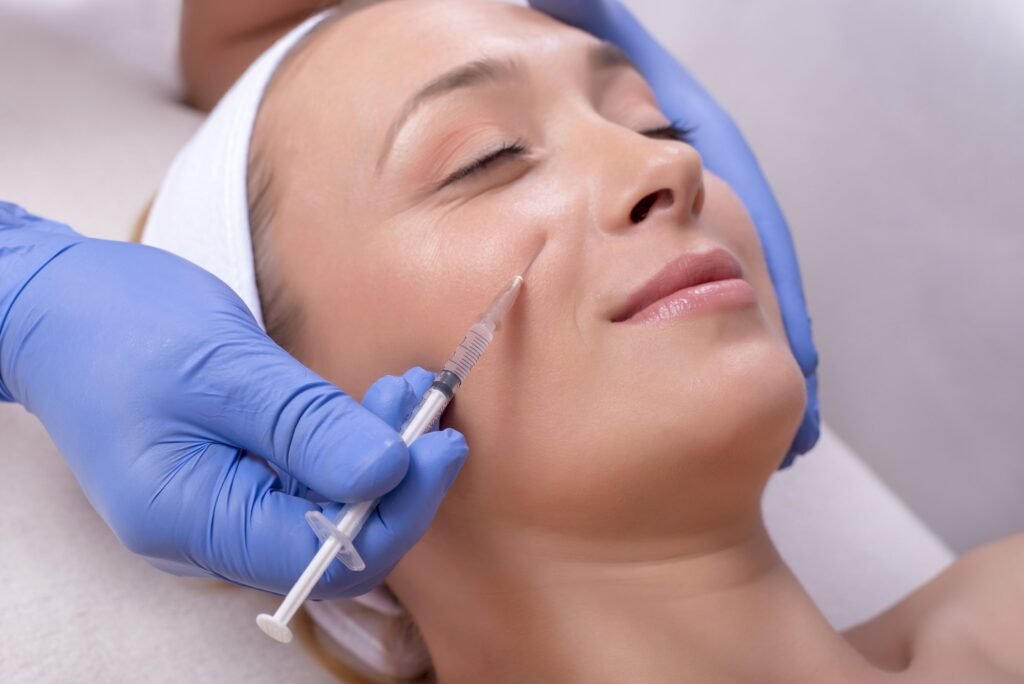
For those seeking more intensive solutions, cosmetic procedures like Botox and fillers offer temporary relief from wrinkles and sagging. However, it’s crucial to consult with a qualified dermatologist to determine the most suitable options based on your skin type and concerns.
Myths and Misconceptions About Aging Skin
There are numerous myths and misconceptions about aging skin that can lead to confusion. One common myth is that only expensive skincare products are effective. In reality, many affordable products offer the same benefits as high-end brands if they contain the right ingredients.
Another misconception is that anti-aging skincare is only necessary after a certain age. In truth, preventive care should start early, with sun protection and moisturization being key components at any age.
Lastly, some believe that natural remedies are always safer or more effective than synthetic ones. While natural ingredients can be beneficial, they may not always deliver the desired results and can sometimes cause adverse reactions. It’s essential to choose products based on evidence and efficacy rather than trends.
Conclusion: Embracing the Journey of Healthy Aging
Embracing healthy aging is about finding a balance between maintaining skin health and accepting the natural changes that come with age. Rather than striving for unattainable perfection, focus on nurturing your skin with the care it needs to remain resilient and vibrant.
A thoughtful skincare regimen, a balanced lifestyle, and a healthy diet can help you achieve and maintain healthy aging skin. Remember, aging is a natural part of life, and every line and wrinkle tells a story of your unique journey.
By understanding the differences between healthy aging skin and youthful-looking skin, you can make informed choices that align with your goals and values. Celebrate your skin’s journey and take pride in the wisdom and beauty that come with age.